Bathrooms are deceptively dangerous spaces. They’re small, often wet, and full of hard surfaces that do not forgive a momentary loss of balance. Yet for years, homeowners and designers treated bathroom safety as something to address only after a fall. Grab bars, in particular, were viewed as a last resort, installed reluctantly and, if possible, hidden.
That mindset is changing, and frankly, it needed to.
Today, stylish grab bars are no longer medical-looking accessories reserved for hospitals or nursing facilities. They are thoughtfully designed bathroom elements that can support safety, independence, and dignity without undermining the space’s overall look. For homeowners planning long-term comfort, caregivers looking out for loved ones, and small businesses in bathroom remodeling, this evolution is both practical and overdue.
This article walks through what modern grab bars really offer, how to choose them intelligently, and why design and safety are no longer opposing forces.
Key Takeaways
- Stylish grab bars no longer look institutional. Modern designs blend seamlessly with contemporary, transitional, and traditional bathrooms when materials and finishes are chosen thoughtfully.
- Safety and aesthetics are not opposing goals. Well-designed grab bars meet strict load requirements while complementing the overall look and feel of the space.
- Early planning makes integration easier and cleaner. Including wall blocking and grab bar placement during a remodel avoids future retrofits and preserves design integrity.
- Consistent finishes turn safety features into design features. When grab bars match faucets and accessories, they feel intentional rather than added on.
- Grab bars benefit people of all ages, not just seniors. Bathrooms are high-risk spaces for slips and falls, and discreet safety features support independence at every stage of life.
- Thoughtfully integrated grab bars can increase long-term home value. As aging-in-place becomes a priority for buyers, well-designed safety upgrades are increasingly seen as practical advantages rather than drawbacks.
Why Grab Bars Are a Smart Decision, Not a Scary One?
Let’s address the elephant in the room first. Many people resist installing grab bars because they believe it signals aging, weakness, or loss of independence. In reality, grab bars do the opposite. They help people stay independent longer by reducing the risk of falls before those falls turn into life-altering injuries.
According to data from the Centers for Disease Control and Prevention, falls are one of the leading causes of injury inside the home, and bathrooms are among the most common locations. Slippery floors, stepping over tub edges, and standing up from low toilets all create moments where balance is compromised.
The key point many people miss is this: grab bars are not reactive tools; they are preventative ones. Installing them early is about foresight, not fear.
The Problem With Old Grab Bars (And Why People Still Hate Them?)
For decades, grab bars were designed with only one goal in mind: strength. While structural integrity is non-negotiable, the complete lack of aesthetic consideration created a stigma that still lingers today.
The typical image most people still have features cold stainless-steel rails, oversized mounting plates, and an unmistakably institutional feel. Those products worked, but they clashed aggressively with residential bathrooms designed to feel warm, personal, and intentional.
On the one hand, safety professionals were right to insist on durability. On the other hand, ignoring design was a mistake, as it led many homeowners to avoid installing grab bars altogether.
How Modern Grab Bars Have Changed the Conversation
Modern grab bars are designed alongside faucets, shower systems, and accessories, not as afterthoughts. Manufacturers now treat them as integral components of the bathroom, which changes everything.
Today’s options include sleek profiles, concealed mounting hardware, and coordinated finishes that match the rest of the bathroom fixtures. When done correctly, a grab bar no longer draws attention to itself. It simply belongs.
This shift aligns closely with universal design principles, which aim to create spaces usable by everyone without making those features obvious or stigmatizing.
Materials That Balance Strength and Style
Material selection is where function and aesthetics genuinely intersect, and it is often the deciding factor in whether a grab bar feels intentional or intrusive. Every grab bar, regardless of how subtle or decorative it appears, must meet strict load requirements. That baseline of strength is non-negotiable. What changes from one product to another is how that strength is expressed visually and physically once it’s mounted on the wall.
Stainless Steel
Stainless steel remains the most widely used material, and for good reason. It resists corrosion exceptionally well, even in high-moisture environments like showers and tub surrounds. Earlier generations of stainless steel grab bars tended to look cold and industrial, but modern manufacturing has changed that perception. Today, stainless steel can be brushed, satin-finished, or lightly textured to soften its appearance, giving it a more refined, residential feel without sacrificing durability.
Brass
Brass grab bars offer a noticeably different experience, both visually and physically. They tend to feel heavier in the hand, which subconsciously reinforces a sense of stability and permanence. Because brass accepts warm finishes exceptionally well, it is commonly used in high-end bathrooms where visual cohesion matters just as much as function. In the right setting, a brass grab bar can feel less like safety equipment and more like a purposeful design feature.
Powder-coated Steel
Powder-coated steel opens the door to modern, understated finishes that are difficult to achieve with bare metal. Matte black, soft white, and muted gray grab bars are popular choices in contemporary and minimalist bathrooms because they blend into the background rather than drawing attention. These finishes also reduce glare and visible fingerprints, which helps maintain a clean appearance over time.
What ultimately matters most is this: no matter how refined the finish or how elegant the profile, a grab bar must support at least 250 pounds when properly installed. Style plays an important role in encouraging people to use safety features, but it can never replace structural integrity. The best grab bars are the ones that quietly combine both, offering confidence you can feel and a design you don’t have to apologize for.
Finishes That Actually Complement Bathroom Design
Finish selection determines whether grab bars feel intentional or out of place. Matching them with faucets and accessories helps them blend naturally into the bathroom. Coordinated fixture collections simplify this process and create visual consistency. Popular finishes like brushed nickel, matte black, oil rubbed bronze, and champagne bronze all work when used consistently, allowing safety hardware to support the design without drawing attention.
Why Finish Selection Matters?
A grab bar can be structurally perfect and still feel wrong if the finish does not align with the rest of the bathroom. The finish choice is often the difference between a grab bar that looks intentional and one that looks like an afterthought. Bathrooms are compact spaces, so mismatched finishes stand out immediately. When safety hardware clashes with faucets or accessories, the eye goes straight to it, and not in a good way.
Treating grab bars as part of the overall fixture plan rather than a separate safety category helps them blend naturally into the space.
Coordinated Fixture Collections Simplify Design
Modern manufacturers now offer grab bars as part of coordinated fixture collections, matching finishes, profiles, and mounting details. This makes it easier to integrate safety without disrupting the design.
Benefits of coordinated collections include:
- Visual consistency across faucets, shower hardware, and accessories
- Less guesswork during selection and installation
- A more intentional, polished look that does not call attention to safety features
When everything shares the same design language, grab bars stop feeling like an afterthought.
Popular Finishes and Where They Work Best
Certain finishes continue to dominate bathroom design because they balance durability with style:
- Brushed nickel: Works well in transitional spaces and hides water spots and fingerprints effectively.
- Matte black: Ideal for modern or minimalist bathrooms where contrast and clean lines matter.
- Oil-rubbed bronze: Adds warmth and visual weight, making grab bars feel substantial and permanent.
- Champagne bronze: Offers a refined, softer look for high-end bathrooms without excessive shine.
Each finish carries a different visual tone, but all can work when applied consistently.
Consistency Makes Safety Hardware Disappear
The most successful bathrooms repeat finishes across all hardware. When grab bars match faucets, towel bars, and shower fixtures, they stop looking like safety add-ons and become part of the design.
Consistency reduces visual distraction and helps the grab bar quietly do its job. When safety blends seamlessly into the space, it feels natural rather than imposed, which is precisely the goal of good bathroom design.
Placement: Where Safety and Design Meet Reality
Even the most beautiful grab bar is useless if it’s installed incorrectly. Placement determines how effective a grab bar actually is in daily use.
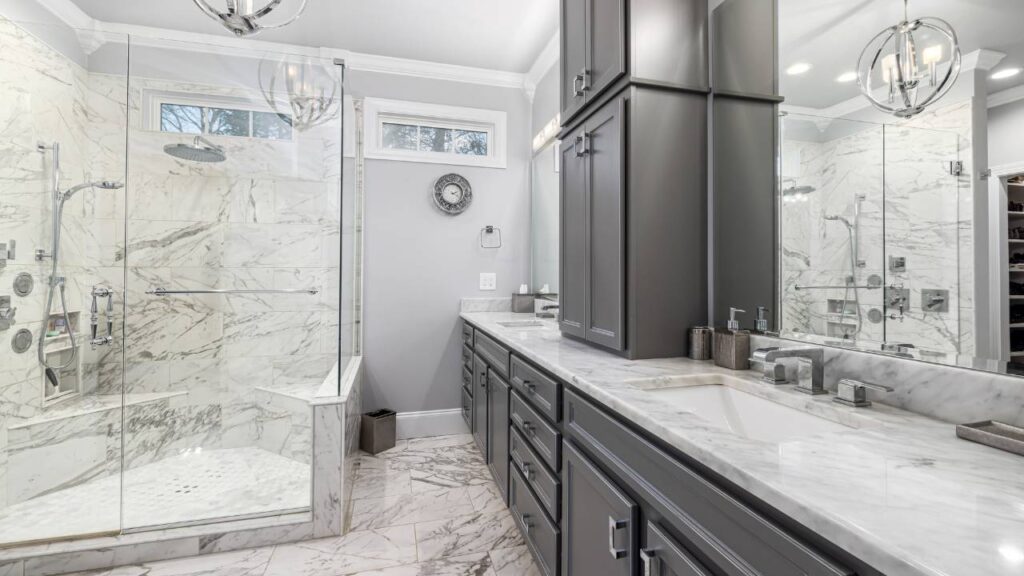
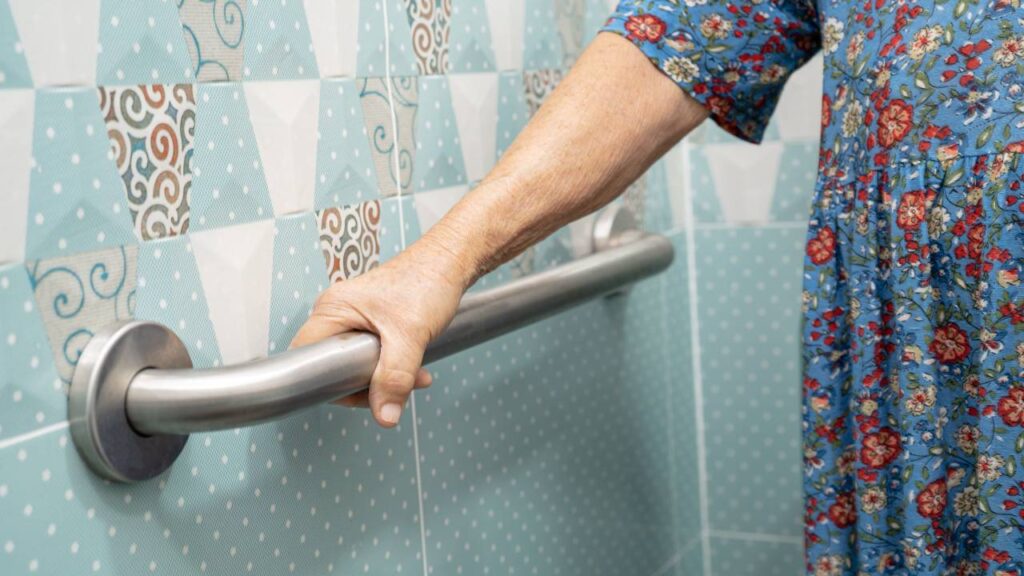
In showers and tubs, horizontal grab bars along long walls provide steady support while standing or moving. Vertical bars near entry points assist with stepping in and out. Near the toilets, side-wall and rear-wall grab bars help with sitting and standing.
The Americans with Disabilities Act provides detailed guidelines for grab bar height and spacing, which serve as an excellent reference point even for residential bathrooms.
Residential Flexibility Versus ADA Standards
A common concern is that ADA guidelines will force awkward layouts in private homes. In practice, these standards are best viewed as foundational guidance rather than rigid rules.
Residential bathrooms allow for subtle adjustments based on user height, room layout, and design priorities. The goal is usability, not checkbox compliance.
Good designers understand this balance and apply standards thoughtfully rather than mechanically.
Why Planning Ahead Makes All the Difference?
Installing grab bars during a remodel is significantly easier and more secure than retrofitting later. Wall blocking installed behind tile allows grab bars to be mounted solidly without visible anchors or compromises.
For homeowners, this means future flexibility. For small business owners and contractors, it demonstrates professionalism and long-term thinking.
Planning for safety before it’s needed is one of the smartest upgrades a bathroom can receive.
Common Myths That Still Get in the Way
Despite improvements, myths persist. Some homeowners worry that grab bars reduce home value. In reality, thoughtfully integrated safety features often increase appeal, especially as aging-in-place becomes a priority for buyers.
Myth One: Grab Bars Lower Home Value
One of the most persistent concerns is that installing grab bars will hurt resale value by making a bathroom feel dated or overly specialized. In reality, thoughtfully integrated safety features often increase a home’s appeal, especially as more buyers plan to age in place. When grab bars are designed to match the space and installed intentionally, they read as practical upgrades rather than medical additions. Many buyers now see them as a sign of foresight, not limitation.
Myth Two: Stylish Grab Bars Are Less Durable
Another common assumption is that grab bars designed to look good must sacrifice strength. This simply is not true. Modern grab bars are engineered to meet strict safety and load standards, regardless of finish or profile. When installed correctly into proper wall support, a sleek grab bar can be just as strong as a traditional institutional model. Design and durability are no longer competing priorities.
Myth Three: Grab Bars Are Only for Seniors
The most limiting myth is the idea that grab bars are only helpful for older adults. Bathrooms are high-risk spaces for everyone, regardless of age. Wet floors, tight layouts, and stepping movements affect all users. Grab bars support balance and confidence for people recovering from surgery, managing temporary mobility issues, or simply navigating slippery surfaces. Falls do not discriminate, and safety features should not either.
Once these myths are set aside, grab bars are easier to view for what they truly are: practical design elements that support independence, comfort, and confidence. When safety features are integrated thoughtfully, they stop feeling symbolic and start feeling smart, regardless of who uses them or when.
Frequently Asked Questions
Are stylish grab bars as safe as traditional grab bars?
Yes, they are, as long as they meet proper safety standards and are installed correctly. Modern grab bars are engineered to support the same load requirements as traditional models, typically at least 250 pounds when properly mounted into wall studs or blocking. The difference is not in strength, but in appearance. A grab bar can look refined and still perform exactly as it should.
When is the best time to install grab bars during a bathroom remodel?
The best time is during the remodeling phase, before walls are closed up. This allows for proper wall blocking to be installed behind tile or wall panels, ensuring a secure and clean installation. Planning ahead also gives you more flexibility in placement and finish selection, rather than being limited to retrofit solutions later on.
Do grab bars have to follow ADA guidelines in residential bathrooms?
ADA guidelines are not mandatory for private homes, but they are an excellent reference point. They provide proven recommendations for height, spacing, and placement that improve usability. Many homeowners and designers adapt these guidelines slightly to suit the space while still prioritizing comfort and safety.
Can grab bars really blend in with modern bathroom designs?
Absolutely. When grab bars are chosen in finishes that match faucets, shower hardware, and accessories, they often resemble towel bars or shower rails rather than safety equipment. Consistency in finish and style allows grab bars to blend in, making them feel like part of the design rather than an add-on.
Why This Matters for American Bath and Shower Clients?
At American Bath and Shower, bathroom remodeling is about more than surface-level beauty. It’s about creating spaces that support real lives, both now and in the future.
Stylish grab bars align perfectly with that philosophy. They protect independence. They reduce injury risk. They allow homeowners to stay in their homes longer without compromising comfort or confidence.
Good design should never ignore safety. Great design makes safety invisible.