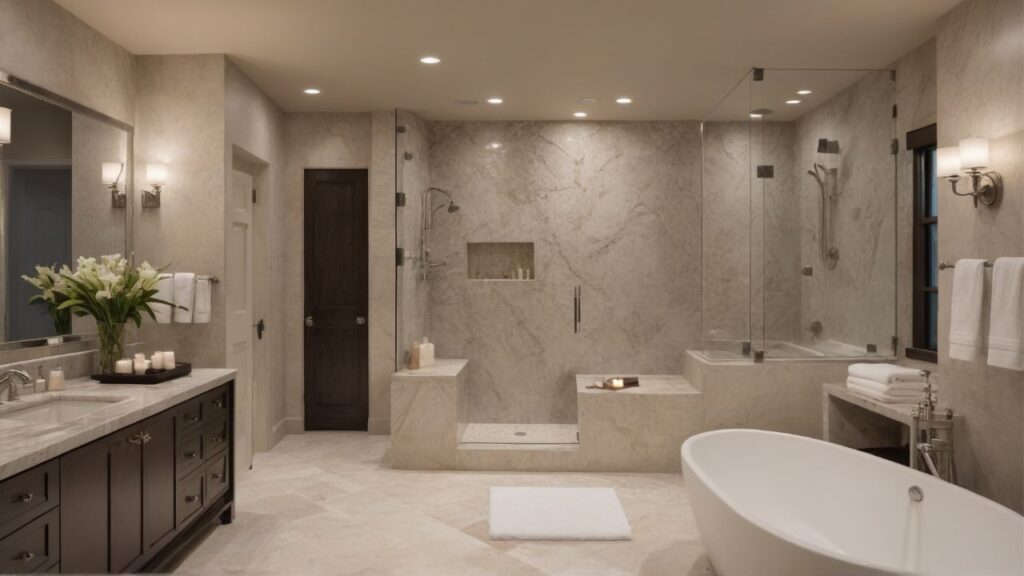
Some remodels start with a dream. Others start with a very real morning where the exhaust fan sounds like it is preparing for lift off, the vanity light turns your face a lovely shade of hospital hallway, and the shower temperature swings between glacier and lava.
If you are planning a full bathroom remodel, you are not just buying tile and fixtures. You are rebuilding a room that handles water, steam, electricity, and daily traffic, all in one tight little space. Get the decisions right, and the bathroom feels effortless. Miss the fundamentals and you will own a gorgeous room that quietly misbehaves, which is not a vibe anyone wants.
This is a traditional, practical guide written for homeowners who want a bathroom renovation done the smart way. I will walk you through what to do, what to avoid, and where people most often spend money twice. I will also point you to high authority resources so you can verify the key technical claims for yourself, because confidence is nice, but receipts are nicer.
Key Takeaways
- Plan and lock the scope before demolition starts.
- Order long lead items early to avoid schedule stalls.
- Waterproofing is non-negotiable in every wet zone.
- Ventilation must be properly sized and vented outdoors.
- Use bathroom safe electrical planning, including GFCI protection.
- Choose durable, low-maintenance finishes that survive daily use.
- Pick efficient fixtures that still deliver strong performance.
- Avoid vague low bids that hide missing scope and future change orders.
What Counts as a Full Bathroom Remodel?
A full bathroom remodel usually means you are updating most of the room, not just swapping a faucet and calling it a transformation. In many homes, that includes removing old finishes, rebuilding the wet area, updating the vanity and toilet, improving lighting and electrical, installing new flooring, and either replacing or upgrading the exhaust fan.
Sometimes you keep the same layout, which can be the most cost-effective route. Other times, you move plumbing or expand the shower, which can be fantastic, but it adds complexity because more trades need to coordinate, and permits may come into play depending on the changes you make.
Here is a quick gut check. If you are changing the shower, touching plumbing behind walls, updating electrical, and redoing floors and surfaces, you are in full remodel territory. Treat it like one from day one.
The Dos
Plan the scope and layout first, then order key items early to avoid schedule stalls. Invest in the fundamentals: proper waterproofing in wet zones, strong ventilation (the right fan and proper venting outdoors), and safe electrical planning, including GFCI protection where required. Choose durable, bathroom-friendly finishes and fixtures that balance performance with efficiency.
Design for real life, not just pretty photos
Before you pick finishes, pause and think about routines. Are two people sharing the same bathroom at the same time every morning? Do you actually use a bathtub, or is it an oversized storage bin with plumbing? Do you need serious storage, or are you a minimalist who owns exactly one bottle of shampoo and somehow makes it last for months?
Our opinion is simple. A bathroom that looks stunning but stores nothing is not well designed. It is a showroom. You live in a home, and homes come with towels, cleaning supplies, and the occasional chaos of real life.
Instead of starting with style, start with pain points. What annoys you today? What feels cramped? What is hard to clean? What never dries? The answers lead to smarter decisions than any trend board ever will.
Lock the big decisions early, especially anything behind the walls
If you want a remodel to feel calm, commit to the plan before the demo. That means finalizing the layout, the shower or tub type, the vanity size, and the key fixture selections early enough to order them and confirm lead times.
Why so strict? Because one missing part can freeze the entire schedule. No shower valve means no tile completion. No vanity means you cannot finalize plumbing connections. No countertop means no sink. Then your project becomes a collection of half-finished tasks and polite text messages that start with, “Quick question…”
So, before you remove a single tile, have a written plan for the shower system, the tile layout concept, the plumbing fixtures and finishes, the lighting plan, the fan selection, and the shower door approach. It does not need to be fancy. It needs to be clear.
Treat waterproofing like the backbone of the entire job
This is the part of the remodel that nobody posts online, which is exactly why it gets neglected. Tile is not waterproof. Grout is not waterproof. Water will find pathways, and it only needs a small one to cause big problems over time.
The right approach is to use a proper waterproofing strategy for the shower or tub area and make sure it is installed correctly. Then, when appropriate, test it before you apply the finishes.
Require a shower pan test when applicable
If you want one code-grounded detail that keeps everyone honest, look at the shower liner test language in the International Residential Code. The IRC section on shower liners describes retaining test water, and where a two-inch threshold does not exist, creating a temporary threshold to hold water at a depth of at least two inches at the threshold for the test.
In plain terms, you are proving the system holds water before you hide it forever. It is not glamorous, but it is one of the smartest checkpoints in the entire remodel.
Upgrade the ventilation and vent it outdoors
Bathrooms create humidity. Humidity becomes moisture. Moisture is the quiet villain behind peeling paint, swollen trim, and that musty smell nobody wants to talk about.
CDC guidance for indoor environments often emphasizes keeping humidity at or below 50 percent. EPA mold guidance also calls out keeping indoor relative humidity below 60 percent, ideally between 30 and 50 percent.
That is why the exhaust fan matters. Not as an accessory, but as a moisture control tool. If the fan vents into an attic, you are not removing moisture; you are relocating it to a place where it can quietly grow into problems.
For practical ventilation targets, the Building America Solution Center notes that to meet local exhaust airflow requirements under ASHRAE 62.2 and IRC mechanical ventilation guidance, bathroom fans are commonly sized for at least 50 cfm intermittent operation or at least 20 cfm continuous operation.
One more real-world point. If the fan is loud, people do not use it. So choose a fan that is effective and also quiet enough that it does not feel like a punishment.
Plan electrical and lighting early, including safety basics
Bathrooms and electricity can coexist beautifully, as long as you respect the rules.
On safety, NFPA has a clear consumer-facing note that the 2020 National Electrical Code section 210.8(A) requires residential homes to have GFCI receptacles located in bathrooms.
On comfort, plan lighting like you would plan a good outfit, in layers. You want task lighting around the vanity so that faces are evenly lit. You want general overhead lighting to keep the room functional. In many designs, you also want shower lighting suitable for wet locations.
The mistake I see most is treating lighting as an afterthought. Then the tile looks great, but the room feels harsh, dim, or weirdly shadowy. Light is not just visibility. It is mood, clarity, and daily usability.
Choose water-efficient fixtures that still feel great
Efficiency does not need to feel like a sacrifice. It should feel like smarter performance.
EPA WaterSense guidance states that WaterSense-labeled bathroom sink faucets and accessories use a maximum of 1.5 gallons per minute and can reduce flow to below the standard 2.2 gpm benchmark without sacrificing performance. For showers, EPA notes that standard showerheads use 2.5 gpm and WaterSense-labeled showerheads must demonstrate they use no more than 2.0 gpm, while meeting performance criteria.
What that means for you is simple. A modern remodel is a perfect time to select fixtures that reduce long-term water use while still delivering a satisfying experience.
Future-proof without turning the bathroom into a clinic
You do not have to design for extreme scenarios to benefit from smarter usability.
Consider comfort-height toilets if that suits your household, wall blocking for future grab bars, a shower entry that is easier to step into, and a handheld shower option for flexibility. None of these changes needs to look medical. They just make the room more forgiving, which is what you want in a space you use every day.
The Don’ts
Do not start demolition while you are still deciding major fixtures or finishes, because delays and change orders get expensive fast. Do not cut corners on waterproofing, ventilation, or existing moisture problems, since hidden damage is the priciest regret. Avoid choosing materials just because they look good in photos if they are hard to clean or wear poorly, and do not accept the lowest bid unless the scope is clearly defined and complete.
Start demolition before your plan is real
Demo feels productive, and it is, but it also triggers a countdown clock. Once the bathroom is gone, every delay becomes urgent. Urgency is where people overpay, settle for the wrong products, or approve change orders they do not fully understand.
So do not rip things out until the layout is final and the key items are selected and ordered, especially the shower valve, the vanity, the tile, and the fan. If any of those are backordered, you want to learn that before your home becomes a construction zone.
Chase the lowest price without confirming what is included
A lower bid can be legitimate. It can also result from missing scope, vague allowances, or a plan to make up profit later through change orders.
Instead of asking only, “How much?” ask “What exactly?” What waterproofing method is included? How is ventilation handled? Are electrical upgrades included? What are the allowances for fixtures and tile, and are those allowances realistic for what you want?
Here is the blunt truth. A vague bid is not a bargain. It is a future argument, and nobody wants to remodel while debating what was implied.
Ignore the moisture problems you already have
If your current bathroom has peeling paint, chronic mildew, soft drywall, or recurring leaks, treat that as a diagnostic clue. The remodel must address the cause, not just the symptoms.
EPA mold guidance is very direct on moisture control as the foundation of prevention.
CDC guidance also emphasizes keeping humidity lower, which is one reason ventilation and leak control matter so much.
Covering moisture damage without solving the moisture source is like putting a new rug over a leaky roof. The rug is not the problem. The roof is.
Choose finishes that look good but behave badly in a wet room
Bathrooms are demanding. Surfaces are splashed, steamed, cleaned, and touched constantly.
High-gloss finishes can look sharp, but they also highlight water spots and fingerprints. That is one reason trend data is leaning toward matte, brushed, and satin faucet finishes over polished options. In NKBA’s 2026 Bath Trends Report release, matte, brushed, and satin finishes are nrated higher in popularity than polished for faucets.
Trends are not rules, but when a trend also happens to be practical, it is worth paying attention.
Underestimate lead times and sequencing
Most remodel delays do not come from slow work. They come from missing parts.
Order early, confirm deliveries, and keep model numbers and finishes consistent. The last thing you want is to reach the finish line and discover your shower trim is arriving “sometime next month,” which is contractor speak for “you are about to learn patience.”
Budget and Value Without the Fairy Tales
People ask, “Is this worth it?” The honest answer depends on your market and your goals, but credible benchmarking helps.
The JLC 2025 Cost vs Value Report lists Bath Remodel Midrange with an average job cost of $26,138, resale value of $20,915, and cost recouped around 80 percent in the national view.
Do not treat that number as a promise. Treat it as a reference point. Your real return includes resale value and daily value. If the new bathroom eliminates stress, improves comfort, and reduces maintenance headaches, you are earning value every day, not only on the day you sell.
Frequently Asked Questions
How long does a full bathroom remodel usually take?
Many full remodels take several weeks, and the timeline depends on the scope, inspections, and material lead times. If you are changing the layout or ordering custom items like shower glass, add time for that. The best way to protect your schedule is to finalize the plan and order key components early.
Do I need an exhaust fan if I have a window?
In many cases, yes. A window helps, but it is not consistent year-round, and it does not always remove moisture effectively. Guidance tied to ASHRAE 62.2 and the Building America Solution Center emphasizes local mechanical exhaust in bathrooms, including typical airflow targets.
What is the biggest mistake homeowners make in a bathroom remodel?
Skipping the invisible work is the classic regret. Waterproofing shortcuts and weak ventilation can create long-term moisture problems. Those issues often stay hidden until they become expensive.
Are WaterSense fixtures actually worth it?
Often, yes. EPA WaterSense information indicates that labeled bathroom faucets are capped at 1.5 gpm and labeled showerheads at 2.0 gpm, and the program includes performance criteria to ensure you are not trading comfort for efficiency.
Do I need GFCI outlets in a bathroom?
GFCI protection is a common safety baseline in residential bathrooms. NFPA notes that NEC section 210.8(A) requires GFCI receptacles located in bathrooms in residential homes.
How does American Bath and Shower Help Make the Process Smoother?
A full bathroom remodel is part design, part engineering, and part project management. When those three pieces work together, the experience feels organized instead of chaotic.
American Bath and Shower focuses on clear planning, practical product selection, and installation that respects the realities of wet spaces. That typically means making the big decisions early, selecting materials that perform well under moisture and daily use, and sequencing the work so you do not stall at the finish line.
If you want a remodel to feel less like a reality show and more like a well-run project, the strategy is consistent planning and a commitment to the fundamentals. The tile gets the compliments, sure, but the waterproofing and ventilation are what keep the compliments from turning into complaints later.Get a free quote by clicking here!