If you’re planning a bathroom upgrade for aging in place, post-surgery recovery, or simply a safer, easier-to-clean space, pairing walk-in tubs with solid-surface walls is one of the most practical combinations.
This guide is for homeowners who want a bathroom that reduces slip risk, simplifies maintenance, and looks modern without turning into a “forever project.” Let’s discuss how and why this combo works, what to look for, and how to plan it to align with what American Bath & Shower installs (walk-in tubs, solid-surface walls, and related bath upgrades).
Key Takeaways
- Walk-in tubs solve the “high step-over” problem and add seated bathing for safety and comfort.
- Solid surface walls reduce grout-related maintenance and help keep the wet zone cleaner and more water-resistant.
- Together, they create a coordinated “wet area system” that’s easier to maintain than tile-heavy surrounds.
- The best results come from planning wall seams, plumbing access, and safety add-ons (grab bars, valves, shelves) before installation.
Why pair walk-in tubs with solid surface walls in the first place?
A walk-in tub changes the way you enter and use the tub: lower threshold entry, a watertight door, and a built-in seat mean you’re not balancing on one foot while stepping over a high tub wall. That’s exactly why walk-in tubs are commonly chosen for mobility needs and long-term comfort.
Now add solid-surface walls around the tub area. In most bathrooms, the tub surround is where grime, moisture, and mold pressure show up first, especially in grout lines. Solid-surface walls are popular because they create a smoother, grout-minimized (or grout-free) surround that’s easier to wipe down and maintain a consistent appearance.
What problems does this combination solve (in real homes)?
When our clients ask for a “bathroom that’s safer but doesn’t look clinical,” the friction is usually here:
- Slips and awkward entry (especially with traditional tubs)
- Grout maintenance (tile can look great… until the cleaning becomes a weekly job)
- Water exposure behind walls (the surround matters as much as the tub)
A walk-in tub addresses entry and stability. Solid surface walls address cleaning and wet-wall durability. Together, they’re a complete, coherent upgrade, especially when installed as part of a remodel plan instead of piecemeal replacements.
How do you scale without rewriting everything?
If you’re not redoing the entire bathroom, you can still “scale” the upgrade by treating the tub + walls as a single zone. Most bathrooms don’t need a full gut remodel to get safer and easier to maintain. A focused upgrade typically looks like:
- Replace the existing tub with a walk-in tub
- Replace the old surround (tile, fiberglass, or aging acrylic) with solid surface wall panels
- Update the wet-area fixtures and safety add-ons in the same pass
That’s how you get a big day-to-day difference without turning your home into a construction site for weeks.
What solid surface walls do better than tile around a walk-in tub?
Solid-surface walls are chosen for low-maintenance cleaning, fewer seams, and a more consistent finish over time than grout-based systems.
Tile isn’t “bad.” It’s just higher-maintenance in the real world, because grout is porous, collects residue, and needs regular scrubbing and occasional sealing. Solid-surface walls reduce the problem by limiting the areas where moisture and grime can accumulate.
Solid surface vs tile vs acrylic surrounds (quick comparison)
Below is a practical comparison specifically for walk-in tub surrounds, where splashing, humidity, and frequent cleaning are part of life:
| Surround option | Cleaning effort | Mold/grime risk points | Look & feel | Best for |
| Solid surface walls | Low | Seams only (minimal) | Seamless, modern | “Wipe-and-go” homeowners who still want a premium finish |
| Tile | High | Grout lines everywhere | Highly customizable | People who want intricate design and don’t mind ongoing grout upkeep |
| Acrylic/fiberglass surrounds | Low–Medium | Joints + potential scuffs | Simple, lighter look | Budget-speed installs can be fine, but may show wear faster (varies by product) |
If your priority is “I want this to stay easy for the next 10+ years,” solid surface tends to win because it balances appearance with day-to-day practicality. We have a dedicated blog on solid-surface walls about why they are the best choice for modern bathrooms. Make sure to check that out for more information.
How do you scale without rewriting everything?
If you already have tile in good condition and you’re not ready to replace it everywhere, you can still scale the improvement in stages:
- Start with the walk-in tub installation (safety upgrade).
- Upgrade the wet-wall area next (maintenance + moisture control).
- Add accessories last (grab bars, shelves, handheld sprayer) so everything lands exactly where you need it.
This approach helps you avoid removing more than necessary while still moving toward a more accessible, lower-maintenance bathroom.
Design and Installation Details That Matter When Combining Both
The mistake people make is treating the tub and wall decisions separately. That’s how you end up with a tub that’s safe but awkward to use, or walls that look clean but collect grime in the exact places your hands and water hit most often.
The goal is simple: the tub, walls, fixtures, and accessories should function as a single system. If you plan it that way, the bathroom feels natural. If you don’t, you’ll notice the friction every single week.
Layout: Think about movement, not just measurements
A walk-in tub is meant to reduce risky movement, so layout matters more than people expect. It’s not only “Will it fit in the space?” It’s “Can you enter, sit, and exit without awkward steps, twisting, or bumping into something?” If the door swing fights the vanity, if the landing area outside the tub is tight, or if you’re forced to pivot on wet flooring, you’ve defeated the whole point of the upgrade.
A good layout typically comes down to three basics: the door opens cleanly, the step-in area is stable, and there is enough room to turn comfortably. Those are small details on paper, but they decide whether the tub feels easy or stressful.
Wall panels and seams: Avoid building permanent “cleaning problem” zones
Solid surface walls are chosen because they’re smooth, durable, and generally easier to maintain than tile-and-grout surrounds. But “low maintenance” holds true only when the seams and transitions are planned well. Even high-quality materials can become annoying if seams are in high-splash areas or corners collect water and residue.
What you want is a surround that wipes down in a few passes without forcing you to scrub edges and joints. That usually means keeping seams to a minimum where water constantly hits (like around the faucet) and ensuring corners and trim transitions are clean and tight. Less seam exposure in the splash zone typically results in less long-term buildup.
Fixtures and accessories: Choose practicality
A walk-in tub changes your bathing posture. You’re often seated, which means your reach zone is different. This is where many remodels feel “almost right” but not quite—because the faucet, handheld sprayer, shelves, or grab bars weren’t placed around how you actually use the tub.
Instead of loading the bathroom with extras, focus on the few items that genuinely improve day-to-day use. Such as:
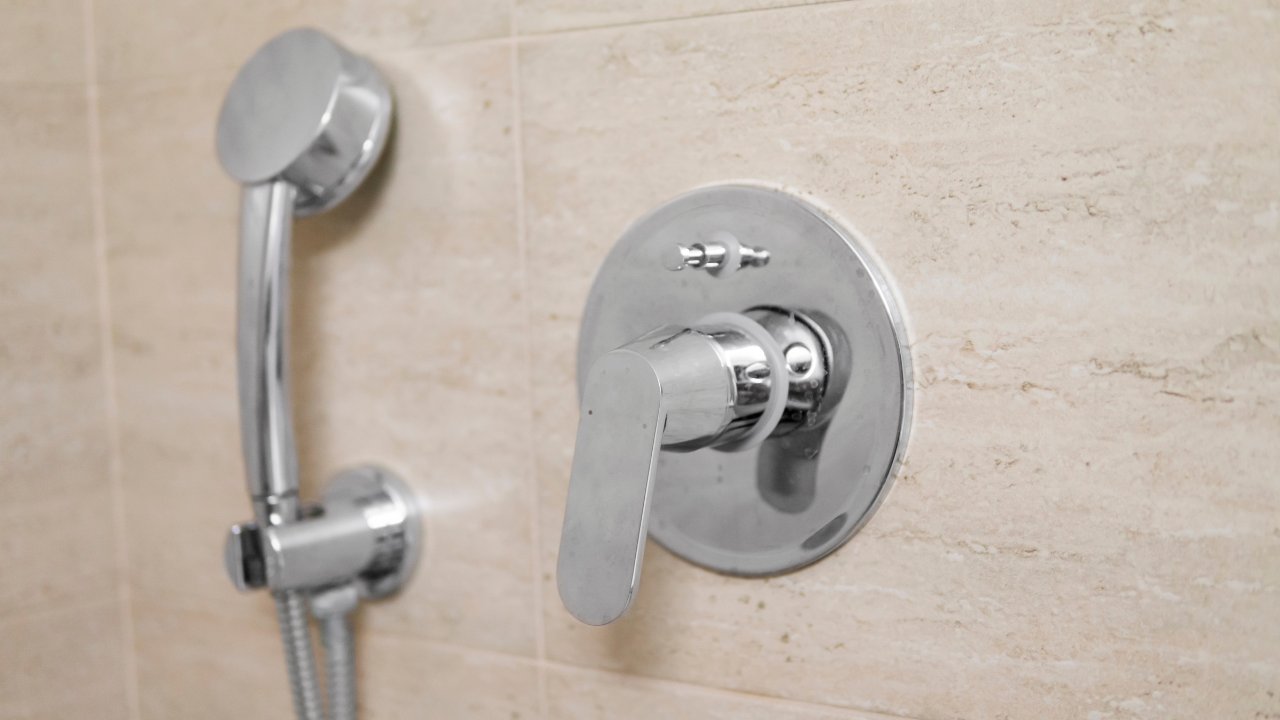
- A handheld shower wand so you can rinse without leaning.
- Grab bars are placed where your hands naturally go during entry and exit.
- Storage that you can reach while seated.
Proper accessory placement reduces awkward movement, which is exactly what causes slips in a wet bathroom.
Serviceability: Plan for access so you don’t regret it later
Walk-in tubs can include components that you may want serviced someday, and even standard setups still have valves and plumbing that shouldn’t be “trapped” behind an unreachable wall. The best installation plan for reasonable access from the start, so the bathroom stays maintainable long after the remodel. You don’t need to obsess over it; just make sure the project isn’t designed in a way that would require demolition for basic service later.
The clean sequencing that keeps the project from snowballing
If you want the remodel to stay simple, plan it in this order: choose the tub that fits your space and comfort needs, then design the solid-surface walls around the tub and fixture locations, and then finalize accessories. That sequencing prevents the common mistake of picking wall finishes first and then realizing the tub controls, shelves, or grab bars don’t land where they should.
When it’s done right, the result is exactly what most homeowners are after: a safer bathing setup that stays easy to clean and doesn’t feel like a constant project.
Choosing the right combo for your home
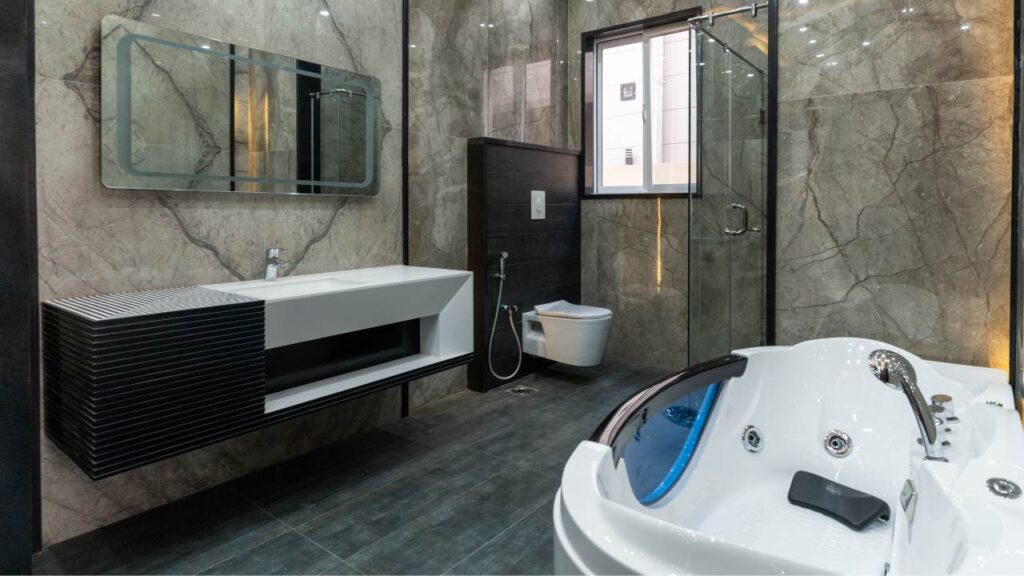
Match the tub size and door style to your space, and match the wall finish to your cleaning tolerance and design goals.
Here’s a simple decision filter we use with homeowners:
- If your #1 concern is safety: Prioritize low-threshold entry, stable seating, and properly placed grab bars.
- If your #1 concern is maintenance: Prioritize solid-surface walls over grout-heavy surrounds, and keep seams minimal.
- If your #1 concern is resale-friendly design: Choose classic wall tones and a clean, integrated surround that looks intentional (not patched together).
American Bath & Shower positions these as installed solutions like walk-in tubs, solid-surface walls, and related renovation services; so the “combo” approach aligns with how the work is typically delivered in real projects, not just in product catalogs.
FAQs
Are solid-surface walls suitable for a walk-in tub surround?
Yes, solid-surface walls are commonly chosen for tub surrounds because they reduce grout-related cleaning and provide a smoother, easier-to-wipe finish. They’re especially helpful in accessibility-focused bathrooms, where low maintenance is a goal.
What’s the biggest benefit of combining walk-in tubs with solid surface walls?
You’re solving two common problems at once: safer entry/seated bathing with the walk-in tub, and easier cleaning around the wet zone with solid surface walls. The result is a bathroom that’s more comfortable to use and easier to maintain over the long term.
Do solid surface walls reduce mold compared to tile?
They can mainly because tile grout lines are frequent “collection points” for moisture and residue. Solid-surface walls typically minimize these areas, making routine cleaning simpler and helping keep the surroundings cleaner.
Can I upgrade to a walk-in tub without remodeling the whole bathroom?
Often, yes. Many projects focus on the tub + surround area first, then update fixtures and accessories as needed. A targeted wet-area remodel can deliver big usability improvements without a full bathroom overhaul.
What should I plan before installation day?
Confirm tub sizing and door swing/clearance, decide fixture locations (especially if you want a handheld sprayer), and plan accessory placement (grab bars, shelves) around how you’ll actually enter, sit, and stand. Planning those early helps the finished bathroom feel “made for you,” not generic.
Consult Us For Your Bathroom Upgrade
Combining walk-in tubs with solid-surface walls isn’t just a style choice; it’s a practical way to build a safer bathing routine and reduce the daily cleaning battle around the tub. If you’re considering this upgrade in Florida, American Bath & Shower offers both walk-in tub installation and solid surface wall systems as part of their bathroom remodeling services.
The easiest next step is a consultation in which you map your space, mobility needs, and preferred finishes, so the tub, walls, and fixtures work together as a cohesive system.