When people say they need a “new bathroom,” they often mean one of two things, and mixing them up is where budgets go sideways.
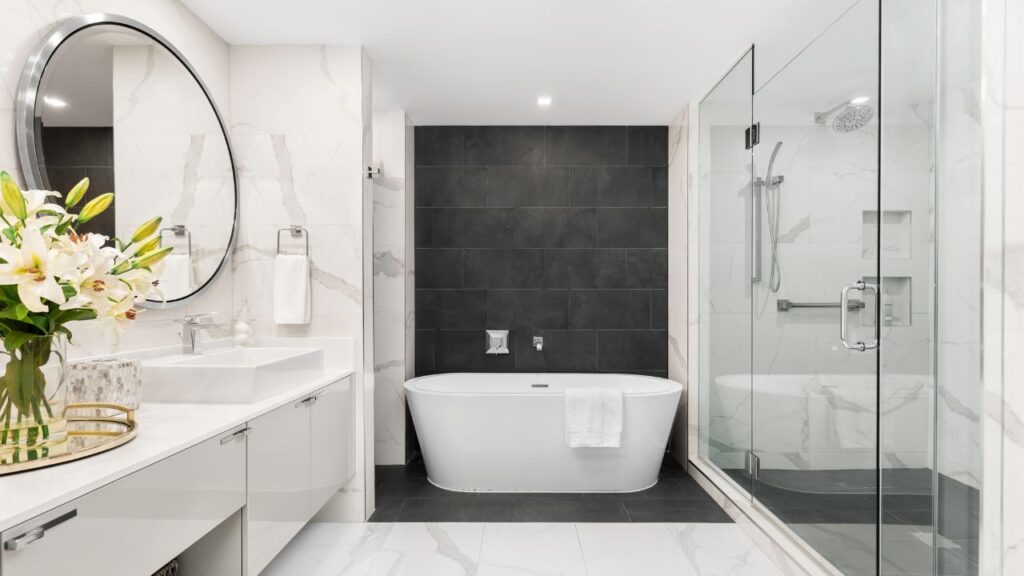
Sometimes the bathroom is functionally fine, but it looks worn out. You may be dealing with stained grout, dated finishes, a tub or shower that feels hard to clean, fixtures that feel cheap, or lighting that makes everything look tired. In that case, a bathroom upgrade, a true quick upgrade, can make the room feel brand new without turning your home into a construction project.
At other times, the bathroom sends warning signals. Persistent leaks, soft floors, recurring mold, failing waterproofing, ventilation problems, or a layout that no longer works are not cosmetic issues. That is when bathroom remodelling is not “extra.” This fix prevents you from paying twice.
American Bath and Shower focuses heavily on wet-area transformations, including shower replacements, tub-to-shower conversions, walk-in tubs, and wall systems, fixtures, and accessories. That is why this decision arises frequently for homeowners.
Key Takeaways
- If your problem is water damage, repeated leaks, failing floors, or chronic moisture, a full remodel is usually the smarter move.
- If your bathroom works but feels dated or hard to maintain, a quick upgrade can deliver a big impact with less disruption.
- A strong middle option is often a wet-area upgrade: a shower or tub, wall system, and fixtures, without rebuilding the entire room.
- Decide in this order: safety, water and moisture, layout, surfaces, style.
What You’re Really Choosing
This section explains what a quick upgrade includes, what a full remodel changes, and why the right answer depends on what is happening behind the surfaces.
What does a quick upgrade actually look like in a bathroom?
A quick upgrade is not a lazy option. When done properly, it is a focused, high-impact project that improves the parts of the bathroom that cause the most daily frustration without rebuilding the whole room.
In real homes, quick upgrades usually focus on the wet zone. If the shower or tub area is outdated, difficult to clean, or unpleasant to use, replacing that system and pairing it with a wall surface designed for durability and easier maintenance can change the entire feel of the bathroom. This is where shower replacements and tub-to-shower conversions make sense for homeowners who want a better daily routine without a full rebuild.
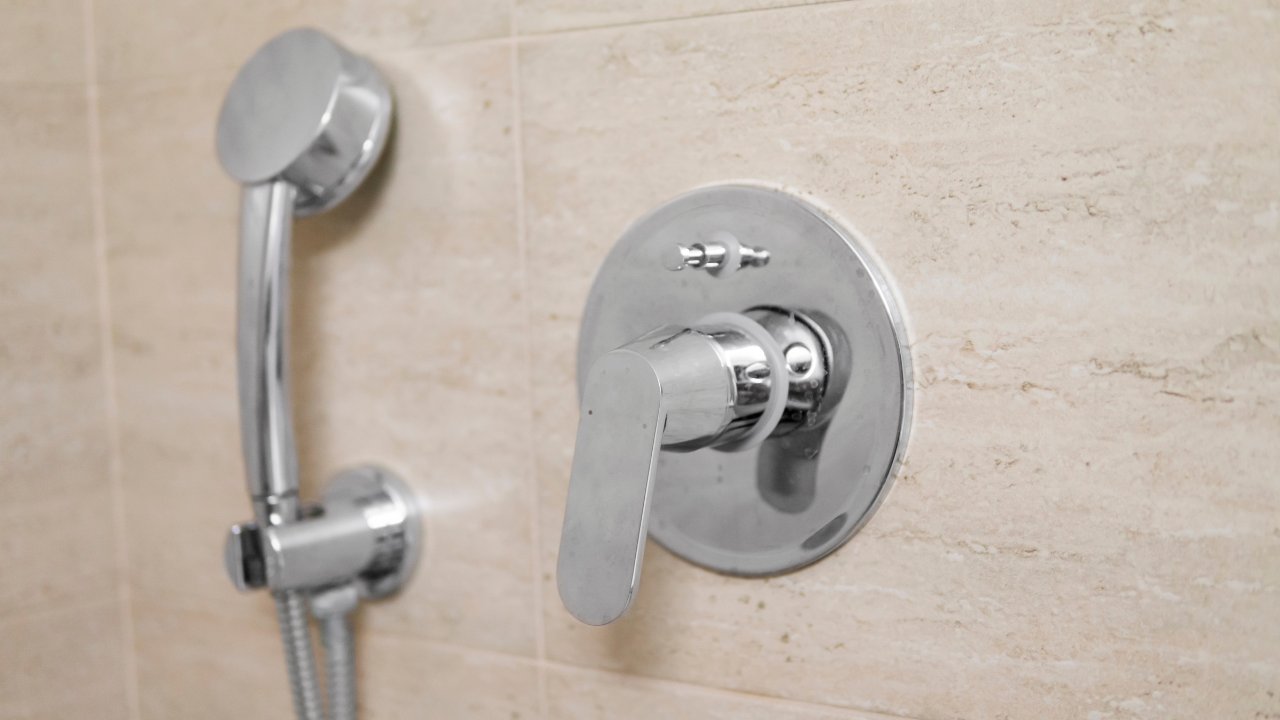
A quick upgrade can also include fixtures and accessories that improve daily use. Replacing outdated hardware with modern fixtures can make the bathroom feel refreshed, more comfortable, and more functional without requiring layout changes.
The key point is simple. A quick upgrade works best when the bathroom’s structure is still sound, meaning you are not trying to conceal chronic leaks, hidden moisture damage, or ventilation failures with new finishes.
What does bathroom remodelling truly mean?
A full remodel is not just a nicer shower. It is a rebuild of the bathroom as a system. That usually involves demolition, repairs, waterproofing decisions, ventilation improvements, and sometimes moving plumbing or changing the layout.
People choose bathroom remodelling when the problems run deeper than appearance. If you have recurring leaks, failing surfaces, recurring moisture, or a layout that requires awkward or unsafe movement, you are facing a remodel-level decision. When you are changing the bathroom’s structure and function, not just its surfaces, you need a remodel plan.
How do you scale without rewriting everything?
Most homeowners do not want extremes. They do not want to do nothing, nor do they want a full demolition. That is why a staged approach often works best. Start with what causes the most pain and delivers the most improvement per dollar.
For many bathrooms, that is the wet area. A focused shower remodel is popular because it can be planned in a streamlined way while still delivering a significant visual and functional change. If you are torn between upgrade and remodel, a practical way to scale is to start with the shower or tub area, upgrade the surrounding wall surfaces, then finish with fixtures and accessories that make the space feel cohesive.
American Bath & Shower offers a “one-day shower remodel” process that removes the old unit, addresses the foundation, and installs wall systems.
The Factors You Should Weigh In
This table compares scope, disruption, predictability, and outcomes so you can match your project to your real needs without guessing.
| Decision Factor | Quick Upgrade | Full Remodel | Best Fit If You… |
| What you’re changing | Focused replacement, often shower or tub, walls, fixtures | Bathroom as a system: layout, waterproofing, ventilation, finishes | Need targeted improvement versus full transformation |
| Disruption | More contained, fewer trades, fewer cascading decisions | More involved: demolition and rebuild phases | Want minimal downtime versus okay with a longer project |
| Budget predictability | Typically, higher predictability with fewer unknowns | More variables once walls and floors open up | Prefer fewer surprises versus willing to manage unknowns |
| Layout changes | Usually not | Often yes | Layout works now, versus layout is the problem |
| Maintenance results | Big improvement if you upgrade wet area surfaces and walls | Full control over everything, including ventilation | Hate cleaning and grout issues versus want a total reset |
| Safety upgrades | Strong option through targeted bathing changes | Strongest if you need clearances or reconfiguration | Safety needs are focused versus safety needs that require layout redesign |
| Best use case | It works, but I’m tired of it | It doesn’t work, and it won’t age well | Cosmetic refresh versus fix core failures |
If you do not need to relocate plumbing and there is no hidden moisture damage, a quick upgrade is often the smarter first step. If either of those is not true, bathroom remodelling becomes the safer choice.
A No Regret Decision Path
This section gives you a practical order of decisions that prevents the most common mistake: improving style while ignoring water, safety, or layout issues.
1. Identify the real problem first
A bathroom can be ugly and still be healthy. It can also appear fine while quietly failing. Before you choose finishes, define the real pain point. If the pain is cleaning, your solution usually lives in surfaces and wall systems, not in a total rebuild. If the pain is safe, your solution may be a bathroom change rather than a decorative remodel. If the pain is that the bathroom feels cramped and awkward, remodel thinking starts because layout problems do not disappear with prettier fixtures.
2. Do a bones check before spending on visible finishes
This step helps you decide whether to proceed with a quick upgrade or commit to bathroom remodelling. If you have recurring leaks, caulk that keeps failing, soft flooring, musty smells, or water staining, the issue may be behind the surfaces. In those cases, a quick upgrade may still be possible, but only if the plan addresses the underlying cause. Otherwise, you risk installing new finishes over a problem that continues to grow.
3. Decide based on how long you plan to stay
If you plan to stay long-term, your bathroom should support the next decade of your life, not just look better next month. That often means considering easier entry, stable footing, good lighting, and low-maintenance surfaces you won’t regret later. If you plan to sell sooner, a targeted bathroom upgrade that improves the shower or tub experience and modernizes the look can deliver strong perceived value without the cost and risk of a full rebuild.
How to Choose Smartly?
This section shows you where upgrades make sense, where remodels are justified, and how to avoid scope creep that quietly doubles the budget.
Put your budget where water lives
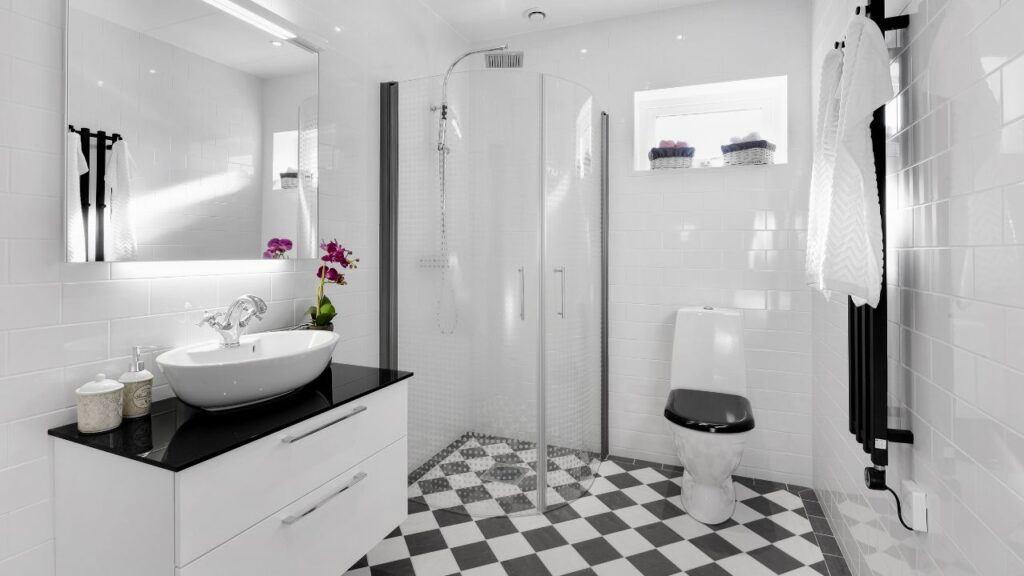
If you want the bathroom to feel and stay new, prioritize the wet area. That is why shower replacements and tub-to-shower conversions are common, quick upgrades. They improve the part of the bathroom you use most and clean most. If you pair that with upgraded wall surfaces designed for wet environments, you are not just changing the look. You are changing the long-term maintenance experience.
Avoid remodeling everything because one thing annoys you
It is common to hate your shower and decide to gut the whole bathroom. Sometimes that is correct. Often it is not. If your vanity works, storage is acceptable, and the layout is fine, a full remodel can become an emotional decision rather than a logical one. A focused upgrade can still feel dramatic because it shifts the room’s visual and functional center.
If safety is the reason, treat it like a real requirement
Safety upgrades are not decorative. If stepping in and out of a tub feels risky, you do not solve that with a nicer bathmat and brighter bulbs. You solve it by changing the bathing setup to match your needs.
FAQs
What is the most telling sign that I need a full remodel rather than a quick upgrade?
Water damage, soft floors, recurring leaks, or recurring moisture are strong signs you need remodel-level planning, not just new finishes.
Can a one-day shower remodel count as a quick upgrade?
Yes, because it is typically a focused wet-area transformation rather than a full-room rebuild.
What upgrades can make a bathroom feel new without remodeling the entire space?
Upgrading the shower or tub area, improving wall surfaces in the wet zone, and replacing fixtures and accessories can refresh the room dramatically without full demolition.
When does a tub-to-shower conversion make more sense than replacing the tub?
If you rarely take baths and you want easier entry and a more modern daily routine, a tub-to-shower conversion often delivers better daily value than replacing the tub.
I want a safer bathing option. Does that automatically mean a full remodel?
Not always. If the layout is sound and the primary need is safer bathing, a targeted upgrade can address the real problem without rebuilding the entire room.
Conclusion
A quick upgrade is effective when the bathroom is structurally sound, and you want to eliminate daily frustrations, such as cleaning battles, dated finishes, or poor functionality in the shower or tub area. A full remodel is powerful when the bathroom has deeper failures, such as water problems, layout issues, or conditions that will keep costing money if you only treat the surface.
If you are stuck in the middle, a focused wet area plan is often the most practical approach. Upgrade the shower or tub system, improve the surrounding wall surfaces, then finish with fixtures and accessories that make the space feel cohesive and modern.
If you want a clear recommendation based on your bathroom’s condition, American Bath and Shower can help you compare options. All you need to do is click here for a free consultation and leave the rest to us.