Nobody thinks much about fixture finishes when they’re choosing them. The decision usually comes down to what looks good against the tile or the wall color. Chrome looks clean. Matte black looks modern. Brushed nickel looks timeless. Brushed gold looks like an upgrade.
Then the bathroom gets used, and the finish becomes something you interact with daily in a way you didn’t anticipate. Water spots on chrome after every shower. Fingerprints on matte black every time someone touches the faucet handle. Soap buildup collecting in the texture of an unlacquered brass fixture. And the list goes on!
The finish you pick affects how the bathroom looks, not just on installation day but every week for the next ten to fifteen years. In Florida, where hard mineral-heavy water and high humidity are the norm rather than the exception, that decision matters more than it does in most other places. This blog breaks down how the main bathroom fixture finish options actually perform over time, not just how they photograph.
Key Takeaways
- No finish is completely maintenance-free, but the gap between the easiest and hardest to maintain is significant.
- Hard water is the main enemy of polished and high-gloss finishes. Florida’s water supply makes this a real daily factor.
- PVD (Physical Vapor Deposition) coatings are the most durable finish technology currently available for bathroom fixtures, regardless of the color they’re applied in.
- Matte and brushed finishes hide water spots and fingerprints better than polished ones, but they still need regular wiping.
- Finish choice affects more than aesthetics. It affects how long the fixture looks good, how much cleaning effort it requires, and how well it holds up in a wet, humid environment.
Why Finish Maintenance Is a Bigger Deal in Florida
Florida’s tap water is drawn largely from the Floridan Aquifer, one of the most productive limestone aquifer systems in the world. Limestone means calcium and magnesium. Calcium and magnesium mean hard water. Hard water leaves white mineral deposits on surfaces when it evaporates, and it does this every single time water splashes on a bathroom fixture and dries.
In a bathroom that gets used daily, that cycle happens dozens of times a week. On a polished chrome faucet, those deposits are visible almost immediately. On a matte black faucet, they show up as white haze. On brushed nickel, they blend in more than most other finishes because the texture diffuses the light that would otherwise make deposits obvious.
The other Florida factor is humidity. Bathroom fixtures in poorly ventilated bathrooms spend hours every day in warm, moist air. Finishes with micro-gaps in their coating or unprotected base metal can develop corrosion faster in this environment than they would in a drier climate. This isn’t a hypothetical concern. It’s one of the more common complaints homeowners have about fixtures that looked fine for a year or two and then started showing rust streaks around the base.
The Main Finish Options: What They Are and How They Hold Up
Six finishes cover the vast majority of what’s available in residential bathroom fixtures. Each has a different base material, a different surface coating process, and a different set of strengths and weaknesses in daily use. Here’s what each one actually involves.
Chrome
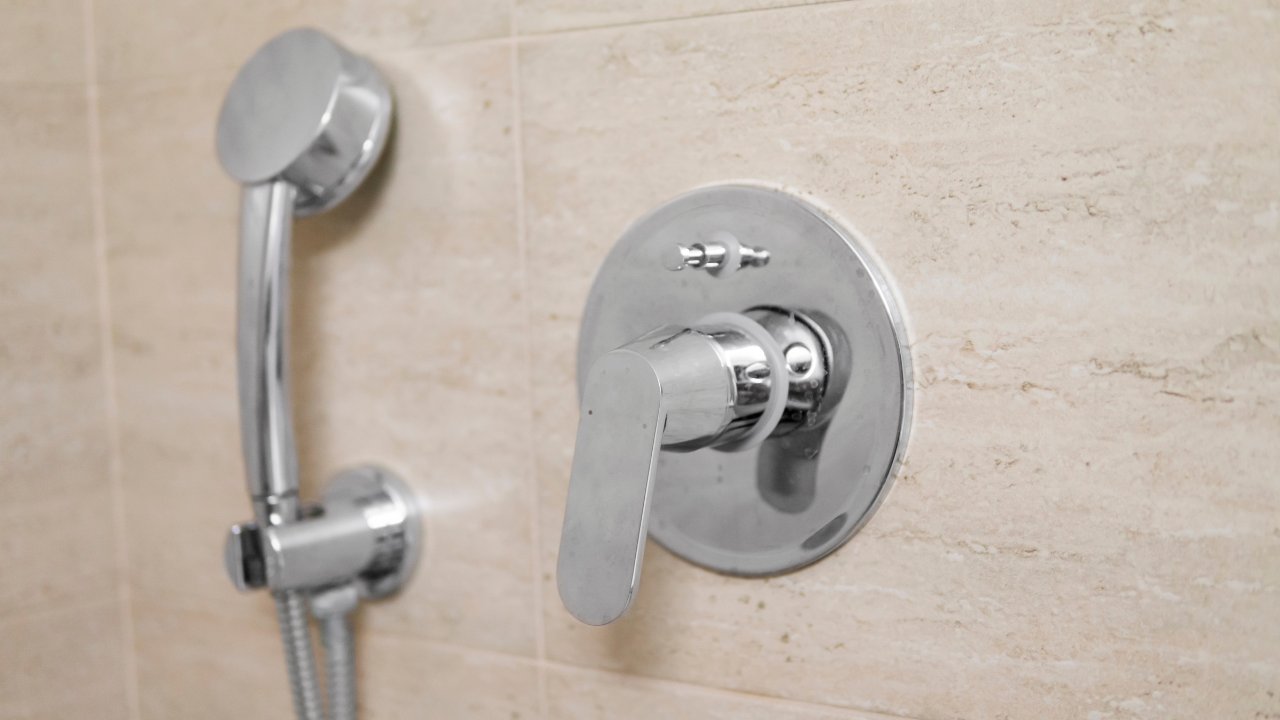
Chrome plating is a process that deposits a thin layer of chromium over the base fixture, typically brass. The result is a mirror-bright, highly reflective surface that reads as clean and timeless.
The problem is that mirror-bright surfaces show everything. Water spots are visible within minutes of drying. Fingerprints show up on handles every time they’re touched. Soap film accumulates in a way that’s visible rather than subtle.
Chrome is also more susceptible to damage from abrasive cleaners than most people realize. Anything more aggressive than a soft cloth and mild soap can scratch the plating and create micro-areas where water and mineral deposits accumulate faster. In Florida’s hard water environment, chrome requires wiping down more frequently than almost any other finish to maintain its appearance.
Brushed Nickel
Brushed nickel is the most forgiving common finish when it comes to daily maintenance. The brushing process creates a fine directional texture that diffuses light rather than reflecting it directly. This is what hides water spots and fingerprints so effectively.
The trade-off is that the same texture that hides deposits also traps them. Soap scum and hard water buildup accumulate in the brushed lines over time and require periodic cleaning with a soft brush to remove fully. In Florida bathrooms, this typically means a more thorough cleaning every two to three weeks rather than daily wiping.
The durability of brushed nickel depends heavily on the quality of the plating. Entry-level fixtures with thin plating can show wear on the high points of the brushed texture within a few years. Better-quality fixtures with PVD coating (more on that below) hold up considerably longer.
Matte Black
Matte black became the dominant trend in bathroom fixtures starting around 2015 and has stayed popular because the flat finish reads as sophisticated and pairs well with most tile and wall colors.
The cleaning reality is mixed. Matte black hides some things well: the finish doesn’t show fingerprints the way a polished surface would, and it has no reflective surface to reveal scratches. But white mineral deposits from hard water are highly visible against a dark matte background. In Florida, this is a real issue. After a week without wiping, a matte black faucet in a hard water area can develop a visible white haze that looks like the finish is failing, even when it isn’t.
Cleaning matte black properly requires a gentle touch. Abrasive cleaners or rough cloths can damage the surface. A soft microfiber cloth and mild soap, wiped down every few days, is the maintenance rhythm matte black requires in a hard water household.
Brushed Gold and Polished Brass
Warm metal finishes have made a comeback. They work well in bathrooms with natural materials, wood tones, or cream and beige palettes. The maintenance picture varies significantly depending on the specific finish.
Unlacquered brass develops a patina over time. Some people like this; it’s the intended behavior of the material. Others find it looks worn or inconsistent when different fixtures age at different rates. Lacquered brass holds its appearance better but the lacquer can chip or peel over time.
Brushed gold in a PVD finish behaves much like brushed nickel from a maintenance standpoint: the texture diffuses light and hides minor water spots reasonably well. It’s a more maintenance-friendly version of the warm metal trend than unlacquered brass is.
Oil-Rubbed Bronze
Oil-rubbed bronze has a dark, warm finish with subtle bronze undertones. The appeal is similar to matte black but with more warmth and variation in the surface tone.
The maintenance challenge is the intentional “living finish” quality that many oil-rubbed bronze fixtures have. The surface is meant to show variation and develop character over time, which means it’s not entirely consistent and the protective layer can wear through at high-touch points like handles and spout tips. When that happens, the exposed metal underneath is visible and hard to blend back in without refinishing.
Finish Performance Comparison
All six finishes rated side by side across the factors that matter most in a Florida bathroom.
| Finish | Water Spot Visibility | Fingerprint Visibility | Hard Water Resistance | Humidity/Corrosion Resistance | Cleaning Frequency (FL) | Durability |
| Polished Chrome | Very high | High | Low | Moderate | Daily wipe recommended | Moderate (thin plating) |
| Brushed Nickel | Low | Low | Moderate | Good | Every 2–3 weeks deep clean | Good to very good |
| Matte Black | Moderate (white haze) | Low | Low to moderate | Good (PVD) | Every few days | Good (PVD) / Fair (painted) |
| Brushed Gold (PVD) | Low | Low | Moderate to good | Very good | Every 2–3 weeks | Very good |
| Oil-Rubbed Bronze | Low (dark surface) | Low | Moderate | Fair (living finish wears) | Weekly at touch points | Fair to moderate |
| Satin Nickel | Low | Low | Moderate | Good | Every 2–3 weeks | Good |
PVD Coating: Why It Changes the Durability Equation
PVD stands for Physical Vapor Deposition. It’s a finishing process in which the color layer is bonded to the fixture at the molecular level under vacuum, rather than applied as a plating or paint layer on top.
The practical difference is significant. A PVD finish is harder than the base metal it’s applied to. It resists scratching, chipping, and corrosion far better than traditional plating. It also maintains its color consistently over time rather than developing the wear patterns that chrome plating or lacquered finishes show at high-touch points.
Most premium fixture lines now offer PVD versions of their popular finishes, including matte black, brushed gold, brushed nickel, and polished chrome. If you’re investing in fixtures for a bathroom you plan to use for ten or more years, PVD coating is worth asking about specifically.
American Bath & Shower’s fixtures and accessories are selected with durability and long-term performance in mind. In Florida’s conditions, that distinction matters.
The Finish That Actually Makes the Most Sense for Florida
Brushed nickel and brushed gold PVD finishes are the most defensible choices for Florida homeowners who want something that holds up with realistic maintenance. The brushed texture handles hard water deposits better than polished surfaces, the PVD coating resists humidity and corrosion, and both finishes work in a wide range of bathroom styles.
Matte black works well in bathrooms where the homeowner is committed to the wipe-down routine that hard water demands. Chrome works if the bathroom gets cleaned frequently and the homeowner is prepared for that. Oil-rubbed bronze is a legitimate choice if the living finish character is something you appreciate rather than something you’ll want to correct.
The honest answer is that finish maintenance is largely a habit question. The best finish is the one that fits your cleaning habits and your water conditions. Knowing what each one actually requires before you install it is how you avoid a bathroom renovation decision you’ll be managing indefinitely.
FAQs
Does brushed nickel or matte black hold up better in a humid bathroom?
Both perform reasonably well in humid conditions when the fixture uses PVD coating. Without PVD, matte black is often a painted finish that can chip or wear at high-touch points. Brushed nickel with standard plating is more forgiving of humidity than painted matte black.
Can I mix finishes in one bathroom?
Yes, intentionally mixing two finishes (typically a dominant and an accent) has become a standard design approach. The key is staying within the same temperature family: cool tones together (chrome and brushed nickel) or warm tones together (brushed gold and oil-rubbed bronze). Mixing warm and cool randomly reads as uncoordinated rather than designed.
What cleaner is safe for most bathroom fixture finishes?
Mild dish soap and warm water on a soft microfiber cloth is safe for nearly every finish. Avoid anything acidic (vinegar, lemon-based cleaners) on metal-plated finishes, as acids break down plating over time. Avoid abrasive scrubbers on any finish.
How do I remove hard water buildup without damaging the finish?
A soft cloth dampened with warm water and mild soap handles light buildup. For heavier mineral deposits, a paste of baking soda and water applied gently and rinsed fully is safer than commercial descalers on most plated finishes. Always test in an inconspicuous spot first.
If I’m renovating my shower, when should I choose the fixture finish?
Before the wall surfaces are finalized, not after. The finish should be selected alongside the wall color and tile or panel material so the two read as intentional rather than coincidental. This is easier to coordinate at the planning stage than it is to retrofit later.
Get the Finish Right the First Time
Fixture finish is a small decision with a long daily tail. Get it right and you stop thinking about it. Get it wrong and it’s a minor frustration that compounds over years.If you’re planning a bathroom upgrade in Florida and want to talk through finish options alongside shower, tub, or wall system choices, American Bath & Shower offers free in-home consultations and brings physical samples so you can see and feel the options before committing.