When your bathtub shows signs of age, you face a practical decision that affects both your budget and your daily comfort. The surface may be stained, chipped, or simply outdated. You know something needs to change, but the right solution is not always obvious.
Bathtub refinishing promises a quick, affordable fix. Bathtub replacement offers a complete transformation with long-term durability. Both options have their place, but choosing the wrong one for your situation can lead to wasted money and frustration.
This guide breaks down the real costs, expected lifespan, practical limitations, and best-use scenarios for both refinishing and replacement so you can make an informed decision based on your specific needs.
Key Takeaways
- Refinishing costs less upfront ($300-$600) but typically lasts only 3-7 years with careful maintenance
- Replacement costs more initially ($1,500-$5,000+) but provides 20+ years of durability and allows style changes
- Refinishing works for surface cosmetic issues on structurally sound tubs in good condition
- Replacement is necessary when you have leaks, cracks, water damage, or want to change tub configuration
- Long-term value favors replacement when you plan to stay in your home beyond 5 years
- Quick cosmetic fixes before selling a home often justify refinishing despite shorter lifespan
Understanding Your Two Main Options
Before comparing costs and timelines, it helps to understand what each process actually involves and what results you can realistically expect.
What Bathtub Refinishing Actually Means
Refinishing, sometimes called reglazing or resurfacing, is a process where a contractor chemically etches your existing tub surface, repairs visible damage, then applies multiple coats of a specialized finish. The goal is to restore the appearance of your tub without removing or replacing it.
The process happens in your home and typically takes four to six hours of active work. However, the finish needs 24 to 48 hours to cure fully before you can use the tub. The chemicals used during refinishing produce strong fumes, so proper ventilation is essential.
Refinishing works best on tubs with surface-level issues like stains, minor scratches, or outdated colors. It does not address structural problems, leaks, or damage to the tub’s foundation.
What Bathtub Replacement Involves
Replacement means removing your old tub completely and installing a new one. This process involves more steps but delivers a genuinely new bathing experience.
The old tub is disconnected from plumbing, removed from the space, and disposed of. Contractors then inspect the underlying structure, address any water damage or mold, update plumbing if needed, and install the new tub with fresh sealing and waterproofing.
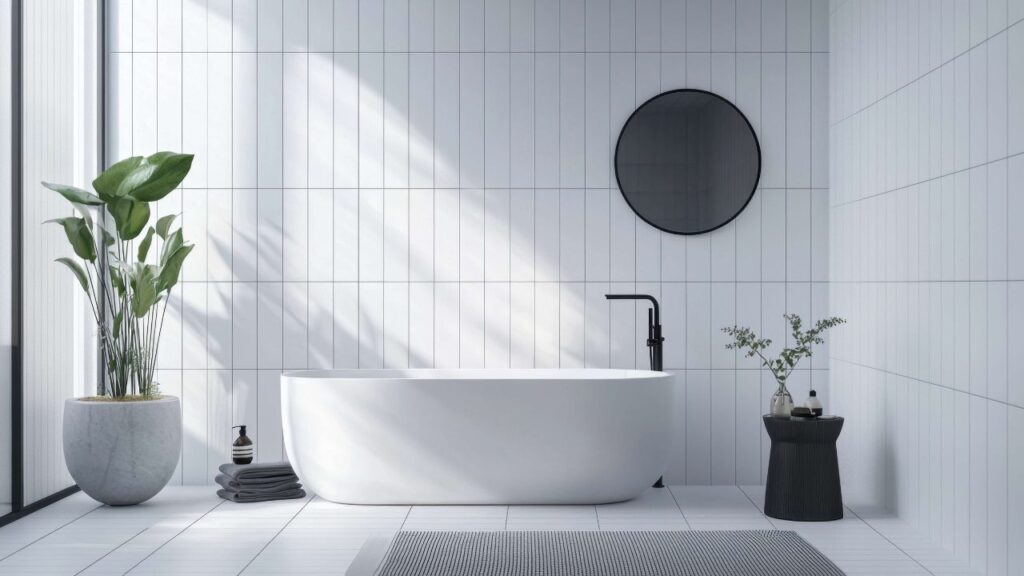
Modern replacement options include traditional drop-in tubs, alcove tubs, freestanding tubs, and specialized options like walk-in tubs. The installation timeline varies based on method, but most replacements take one to three days for the actual work.
Replacement makes sense when the tub has structural issues, when you want to change the tub style or size, or when refinishing has already been attempted without lasting results.
The Real Cost Comparison
Understanding the full cost picture requires looking beyond the initial service price.
Upfront Investment Analysis
Refinishing typically costs between $300 and $600 for a standard bathtub. This price usually includes surface preparation, repair of minor damage, application of the new finish, and a basic warranty of one to five years.
The price can increase if your tub has extensive damage that requires more preparation work, if you choose premium coating materials, or if access to your bathroom is difficult.
Bathtub replacement ranges from $1,500 to $5,000 or more, depending on the tub you select and installation complexity. A basic alcove tub replacement in a standard bathroom sits at the lower end. Freestanding tubs, walk-in tubs, or installations requiring plumbing relocation cost more.
However, replacement costs often include addressing underlying issues that refinishing simply covers up. When contractors discover and fix water damage, mold, or faulty plumbing during replacement, you avoid future problems that would cost even more to address later.
Long-Term Cost Reality
Refinishing appears cheaper initially, but the math changes when you factor in lifespan. A refinished tub typically lasts three to seven years before showing wear again. If you refinish twice over 15 years at $500 each time, you have spent $1,000 on temporary fixes.
A quality replacement lasts 20 to 30 years or more with minimal maintenance. Over a 20-year period, replacement delivers significantly better value per year of use.
The calculation shifts if you plan to sell your home soon. Refinishing makes more sense when you need your bathroom to show well for buyers but do not want to invest in a full replacement you will not enjoy.
Detailed Comparison
| Factor | Bathtub Refinishing | Bathtub Replacement | Best Choice When… |
| Upfront Cost | $300-$600 | $1,500-$5,000+ | Budget is primary concern vs. long-term value matters |
| Project Timeline | 4-6 hours work, 24-48 hours cure time | 1-3 days including removal and installation | You need quick results vs. you can plan around disruption |
| Expected Lifespan | 3-7 years | 20-30+ years | Selling soon vs. staying long-term |
| Can Change Tub Style | No, keeps existing tub | Yes, full flexibility | Current style works vs. want different style or size |
| Addresses Structural Issues | No | Yes | No underlying problems vs. leaks, cracks, or water damage exist |
| Color and Finish Options | Limited to refinishing coatings | Full range of materials and styles | Current style acceptable vs. want specific aesthetic |
| Maintenance Requirements | Higher, careful cleaning needed | Lower, standard cleaning | Willing to baby the surface vs. want durable everyday use |
| Best Use Scenario | Surface cosmetic fixes, pre-sale updates | Permanent solution, lifestyle changes, quality upgrade | Temporary solution needed vs. long-term home improvement |
When Refinishing Makes Practical Sense
Despite its limitations, refinishing serves specific situations well.
If your tub is structurally sound but looks dated or stained, refinishing can restore its appearance at a fraction of replacement cost. This works particularly well for vintage cast iron or steel tubs that have good bones but tired surfaces.
Homeowners preparing to sell often choose refinishing because it makes the bathroom show better without major investment in a property they are leaving. The three to seven year lifespan does not matter when you plan to sell within months.
Refinishing also appeals to renters or property managers who need to refresh units between tenants without the expense and disruption of full replacement.
Budget constraints sometimes make refinishing the only viable option in the short term, even when replacement would be preferable. If you cannot afford replacement now but need the bathroom functional and presentable, refinishing buys you time.
When Replacement Is the Better Investment
Replacement becomes necessary rather than optional in several scenarios.
If your tub has cracks, chips that go through to the base material, persistent leaks, or structural damage, refinishing will not fix these problems. It only masks them temporarily while the underlying issues continue to worsen.
When you want to change your bathing experience entirely, replacement is your only option. Converting a standard tub to a walk-in tub for safety, switching from a tub to a shower, or installing a larger soaking tub all require full replacement.
If you have already refinished the tub once and it has failed again, refinishing a second time rarely delivers better results. The tub has reached the end of its useful life, and replacement makes more sense.
Long-term homeowners benefit most from replacement. If you plan to stay in your home for ten or more years, the durability and quality of a new tub justify the higher initial cost. You will enjoy the benefits daily and avoid the need for another refinishing project in a few years.
Many homeowners pursuing bathroom updates find that tackling both the tub and shower area makes sense. This is where shower remodelling and bathtub replacement often happen together as part of a cohesive bathroom upgrade that transforms the entire wet area.
Installation Timeline and Disruption
Understanding the practical disruption helps you plan appropriately.
Refinishing happens relatively quickly. The actual work takes four to six hours, but you cannot use the tub for 24 to 48 hours while the finish cures. The strong chemical fumes require good ventilation during application and initial curing.
Some refinishing products emit odors that linger for several days, which can be challenging if you have respiratory sensitivities or young children in the home.
Replacement takes longer but offers a clean break. The removal and installation typically span one to three days. During this time, your bathroom is out of commission. However, once the work is complete, you have a fully functional new tub with no curing time needed.
Modern replacement methods, particularly those using integrated tub and wall systems, can compress the timeline significantly. Companies like American Bath and Shower specialize in efficient installations that minimize disruption while delivering professional results.
Durability and Maintenance Requirements
How each option holds up over time differs significantly.
Refinished tubs require careful maintenance to preserve the finish. You must avoid abrasive cleaners, harsh chemicals, and anything that could scratch or chip the coating. Even with careful maintenance, the finish eventually wears through in high-use areas.
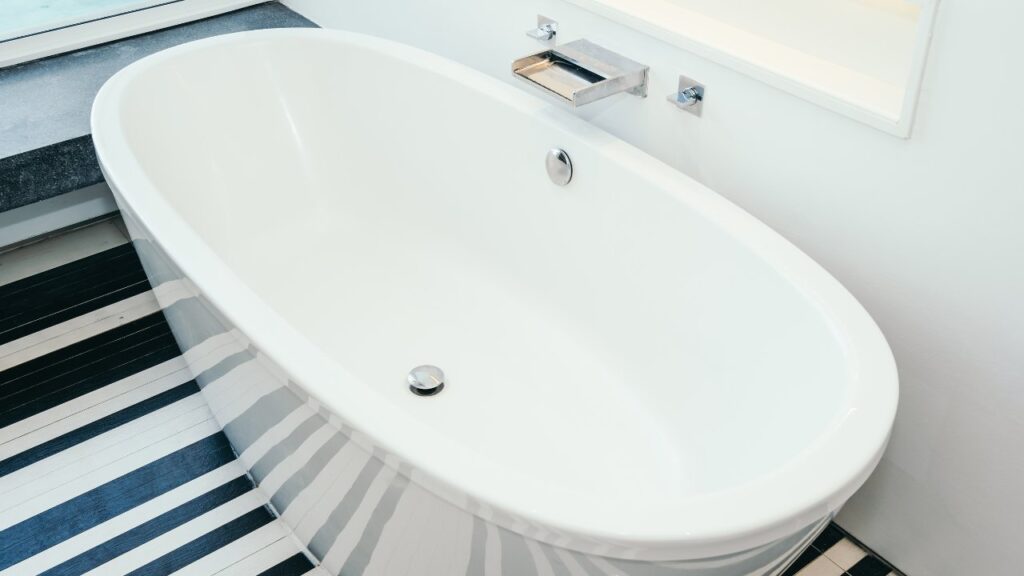
The coating can yellow over time, especially in tubs with poor ventilation. Once the finish begins to fail, it deteriorates rapidly. Small chips often spread, and worn areas cannot be easily spot-fixed without refinishing the entire tub again.
Replacement tubs made from acrylic, fiberglass, or porcelain-enameled steel offer much better durability with standard care. They handle everyday cleaning products, resist scratches better, and maintain their appearance for decades.
Quality bathtub solutions often include engineered materials designed specifically for long-term performance in wet environments. These materials resist common problems like chipping, staining, and surface degradation.
Making Your Decision: A Practical Framework
Use this framework to determine which option fits your situation.
Start by assessing the tub’s current condition honestly. If you see cracks, persistent leaks, or structural damage, skip refinishing entirely and plan for replacement. Surface-level cosmetic issues can potentially be addressed with refinishing if the underlying tub is sound.
Next, consider your timeline in the home. If you plan to sell within two years, refinishing often makes financial sense. If you plan to stay five years or longer, replacement typically delivers better long-term value.
Evaluate your budget realistically. If you cannot afford replacement now, refinishing can serve as a temporary solution, but understand you will likely face the replacement decision again in a few years.
Think about your bathing needs and preferences. If your current tub style, size, or configuration no longer works for your household, only replacement can address this. Refinishing locks you into your existing setup.
Finally, consider the total bathroom condition. If you are already planning other bathroom updates, combining bathtub replacement with those projects often makes sense from both a cost and disruption standpoint.
FAQs
How many times can you refinish a bathtub?
Most tubs can be refinished once or twice. After that, the surface becomes too compromised for refinishing to work effectively. Each refinishing also adds a layer that makes future refinishing more difficult.
Does refinishing work on all bathtub materials?
Refinishing works best on porcelain-enameled steel and cast iron tubs. It is less effective on fiberglass and acrylic, which have flexible surfaces that cause refinishing coatings to crack and peel prematurely.
Can I refinish my tub myself to save money?
DIY refinishing kits exist but rarely deliver professional results. The surface preparation, chemical application, and finish quality require professional equipment and experience. Poor DIY refinishing often costs more to fix than professional refinishing would have cost initially.
How long does bathtub replacement actually take?
Standard replacement takes one to three days. Complications like water damage discovery, plumbing updates, or custom installations can extend this. Modern overlay systems can sometimes complete replacement in a single day when conditions allow.
Will a refinished tub feel different than the original?
Yes, the refinished surface feels slightly different than the original porcelain or enamel. The coating is thinner and can feel less substantial, though quality refinishing jobs minimize this difference.
Does homeowners insurance cover bathtub replacement?
Insurance typically covers replacement only when damage results from a covered event like a burst pipe or storm damage. Wear and tear, age-related deterioration, and cosmetic updates are usually not covered.
Conclusion
Bathtub refinishing works well for surface cosmetic updates when you need short-term improvement at minimal cost. It makes particular sense for pre-sale preparation or when budget constraints prevent replacement.
Bathtub replacement costs more initially but delivers decades of durability, allows complete style changes, and addresses underlying structural issues that refinishing simply covers up. For long-term homeowners or situations involving structural problems, replacement provides far better value.
The right choice depends on your specific situation: your tub’s condition, your timeline in the home, your budget, and what you want from your bathroom going forward.If you want professional guidance on which option makes sense for your bathroom, contact American Bath and Shower for a free consultation. Their team can assess your current tub, discuss your goals, and recommend the approach that delivers the best long-term value for your specific needs.