Mould is one of those bathroom problems that feels personal. It shows up in the exact spot you stare at every morning, usually when you are already running late. You clean it, it fades, and a few weeks later it returns, darker and more stubborn. That cycle is exhausting and often pushes homeowners toward a serious bathroom upgrade or a full bathroom remodelling.
Here is the truth most people do not hear early enough: the battle is rarely about the tile itself. The battle is about the places where moisture and residue hide. Grout lines, caulk joints, tiny gaps around corners, shampoo overspray that dries into a film, and bathrooms that never fully dry after a hot shower. Mould loves dampness, but it thrives when dampness meets residue and a surface that is hard to clean deeply.
That is why this question matters. If solid-surface walls reduce seams and eliminate grout, do they actually prevent mould better than tile? In many real-life bathrooms, yes. But the best choice depends on how your shower is built, how your bathroom vents, and how you want to use the space after the remodel is complete.
Key Takeaways
- Mould prevention is mostly about reducing moisture traps, and grout lines are one of the biggest moisture traps in a tiled shower.
- Solid surface walls typically have fewer seams and no grout lines, which means fewer places for mould and mildew to take hold.
- Tile can still be a great option, but it requires consistent maintenance, especially grout care and caulk monitoring
- Waterproofing behind the wall surface and proper ventilation matter as much as the material you choose
- If your goal is a low-maintenance bathroom upgrade that stays cleaner with less effort, solid surface walls are often the practical winner
Why Mould Shows Up in Bathrooms, Even When You Clean Regularly?
A shower is designed to get wet. The problem is not the water during the shower. The problem is what happens after. Steam fills the room, then condenses on cooler surfaces. That condensation slides into corners, accumulates in grout texture, and settles into small surface imperfections. If the bathroom remains humid for too long, moisture becomes a daily resident rather than a temporary visitor.
Mould also needs something to eat. Soap scum, body oils, conditioner residue, and mineral deposits from hard water form a thin film. On smooth surfaces, that film is easier to wipe away. In grout lines and textured joints, it can cling stubbornly, even if the surface looks clean at a glance.
This is why homeowners feel like they are doing everything right and still losing. They are cleaning the visible areas, but the shower is full of tiny zones where moisture and residue linger.
Solid Surface Walls vs Tile for Mould Prevention: A Real-World Comparison
Here is a straightforward comparison that focuses on what actually affects mould risk in day-to-day life.
| Feature that affects mould risk | Solid Surface Walls | Tile Walls |
| Number of grout lines | None | Many, unless you use very large tiles |
| Common mould hot spots | Seams, corners, caulk joints | Grout lines, corners, caulk joints, niches, and ledges |
| Ease of cleaning | Wipe-down friendly for most mess | Cleaning requires grout attention and sometimes scrubbing |
| Long-term upkeep | Typically lower | Typically higher due to grout maintenance |
| What fails first over time | Caulk or seam sealant if neglected | Grout discoloration, grout breakdown, caulk failure |
| Best fit for a low-maintenance bathroom upgrade | Strong fit | Depends on your willingness to maintain the grout |
How Solid Surface Walls Help Reduce Mould Problems?
Solid surface wall systems are popular for one main reason: they remove the most common mould magnet in showers, which is grout.
Fewer places for mould to hide
Tile installations usually create a grid of grout lines. Even when grout is sealed, it can still retain residue over time, especially in areas that are exposed to daily water. Solid-surface walls eliminate repeating lines and replace them with broad panels. When you reduce hiding places, you reduce the opportunity for mould to return.
This is especially helpful in corners and lower sections of the shower, where water and product residue tend to accumulate.
Easier cleaning that people actually keep up with
A bathroom remodelling should make your life easier, not create a new cleaning hobby. Most homeowners perform quick wipe-downs but are inconsistent with deep grout scrubs. Solid-surface walls are typically cleaned using simple routines, which is important. The easier a surface is to maintain, the more likely it is to stay clean enough to avoid recurring mould.
If you want to explore how wall materials affect upkeep, you can read more here: low-maintenance bathroom wall materials.
A better fit for busy households
If your shower gets used multiple times a day, mould prevention becomes less about perfect habits and more about smart design. Solid-surface walls support that kind of lifestyle because they do not rely on grout remaining pristine to look clean. They are a strong match for homeowners who want a bathroom upgrade that stays fresh without constant attention.
Tile and Mould Prevention: When Tile Works Great, and When It Becomes a Problem
Tile is not a bad choice. It is a high-style choice that can last for a long time. The challenge is that tile showers are only as low-maintenance as the grout and caulk allow.
Grout is the weak link
The tile itself is usually not where the mould starts. Mould often appears in grout lines because the grout is textured; it can trap residue and retain moisture longer than a smooth panel surface. Once grout starts discolouring or breaking down, it becomes easier for mildew to return quickly.
Tile demands consistent upkeep
Tile showers can stay clean and mould-resistant, but they require a routine that many people do not want to maintain long-term. That routine can include regular grout cleaning, periodic resealing based on grout type, and re-caulking joints when they crack or pull away.
If you enjoy the look of tile and are comfortable with maintenance, tile may still be right for you. But if you want to reduce chores after a bathroom remodelling, tile is not always the best match.
Installation details matter more than most homeowners realize
A tiled shower is a system. Tile and grout are the visible layer. Behind that layer, waterproofing must be done correctly. If waterproofing is weak, moisture can remain trapped where it cannot be seen, leading to odours, persistent dampness, or recurring mould that never fully resolves.
If you are comparing systems, you may find this helpful: solid surface vs tile: which is easier to maintain?
What Actually Prevents Mould, No Matter Which Wall You Choose?
The wall material matters, but it is not the only factor. If you want a shower that stays clean over the long term, these factors make the biggest difference.
Ventilation that actually clears humidity
If your bathroom fan is weak or rarely used long enough, humidity stays trapped. That creates a damp environment where mould can thrive. Proper ventilation should pull steam out and help surfaces dry faster. In many homes, running the fan longer after showering can reduce recurring mildew.
Drying habits that are realistic
You do not need to treat your shower like a science lab. But small habits matter. A quick rinse of heavy product residue, opening the door to allow moisture to escape, and occasional squeegee use on the most exposed wall sections can reduce buildup over time.
Solid surface walls make these habits easier because a simple wipe removes most residue. Tile makes it harder because residue clings in grout texture.
Corner joints and caulk lines are always important
Even with solid-surface walls, corners and plumbing penetrations remain. Those joints should be properly sealed and inspected over time. If caulk fails, moisture can collect behind surfaces. Regularly inspecting corners and re-caulking when needed is a smart move for any shower.
How to Choose the Right Option for Your Bathroom Upgrade?
If mould prevention and ease of maintenance are your top priorities, solid-surface walls often make the most sense. If custom design is your top priority and you are prepared to maintain grout, tile can still be a good choice.
Solid surface walls are a strong choice if you want this type of outcome
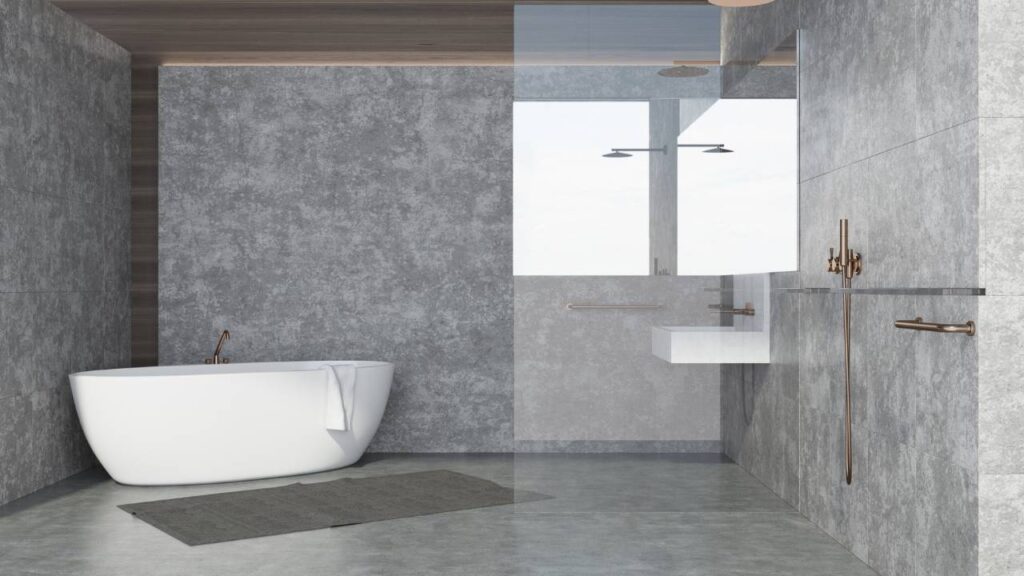
You want a bathroom upgrade that feels cleaner with less effort. You want to wipe walls without scrubbing. You want to reduce the risk of recurring mildew along the grout. You want a shower that looks modern and stays that way without constant maintenance.
You can learn more about this option here: solid surface walls.
Tile may be the better fit if your priorities look like this
You want a specific pattern, texture, or high-design look that only tile can deliver. You enjoy the design flexibility. You are comfortable with grout maintenance and are planning a ventilation and waterproofing approach to support the system.
There is also a practical compromise many homeowners prefer: keep tile in lower-moisture areas for design impact, and use a low-maintenance wall system in the shower zone, where mould pressure is highest. That approach can give you the look you want while reducing the most common stress points in cleaning.
FAQs
Do solid surface shower walls completely prevent mould?
No shower wall is completely immune to mould if moisture and residue are allowed to sit for long periods. Solid surface walls reduce common mould hiding places by eliminating grout lines and minimizing seams, which usually makes mould less likely and cleaning easier.
Does tile itself grow mould?
Tile is usually not the problem. Mould often grows on residue and soap scum that collects in grout lines and corners. The grout and caulk joints are the areas most likely to show mildew first.
Is mould prevention more about material or ventilation?
Both matter. Material affects how easily you can clean and how many moisture traps exist. Ventilation affects how long the bathroom stays humid after showers. If ventilation is poor, mold can return even with low-maintenance materials.
Can you install solid surface walls over existing tile?
In many cases, it is possible depending on the condition of the existing surface and whether moisture problems need to be addressed first. The key is ensuring the underlying structure is sound, and the system is installed properly so moisture does not become trapped.
Which option is better for a busy household seeking a low-maintenance bathroom remodel?
Many busy households prefer solid-surface walls because cleaning is simpler and there are fewer grout-related maintenance issues over time. It is a popular choice for homeowners seeking a practical bathroom upgrade that stays cleaner with less effort.
Conclusion
If your main goal is mould prevention, solid-surface walls usually outperform tile in everyday use because they eliminate grout lines and reduce hiding places for moisture and residue. Tile can still be a beautiful and durable choice, but it requires more maintenance over time, especially for grout care and caulk joint maintenance.
If you are planning a bathroom remodelling and want a shower that looks sharp, cleans easily, and helps you avoid recurring mould, solid-surface wall systems are worth serious consideration.Ready to reduce mould problems and modernize your shower? Contact American Bath & Shower to explore solid surface wall options, shower remodel solutions, and a cleaner, lower-maintenance bathroom upgrade that fits your home.