Solid surface walls have transformed bathroom maintenance. Unlike traditional tile with its grout lines that trap dirt and moisture, these seamless wall systems promise easier cleaning and lasting beauty. However, that promise only holds true when you clean them correctly.
Many homeowners assume any cleaner that works on tile will work on solid surfaces. This assumption leads to dull finishes, stubborn residue buildup, and in some cases, permanent damage that voids warranties. The right cleaning approach preserves your walls’ appearance and performance for decades. The wrong approach can compromise them in months.
This guide provides specific cleaning methods, product recommendations, and maintenance practices that protect your investment while keeping your bathroom looking new.
Key Takeaways
- Daily maintenance takes less than 60 seconds: A quick wipe with a microfiber cloth after showering prevents most buildup issues
- Avoid abrasive cleaners completely: Products containing bleach, ammonia, acetone, or abrasive particles damage solid surface finishes permanently
- Soap scum requires specific treatment: Standard bathroom cleaners often make soap scum worse on solid surfaces
- Stains need immediate attention: The longer you wait, the harder removal becomes, especially with hard water deposits
- Manufacturer guidelines vary: Always check your specific wall system’s care instructions, as different brands have different tolerances
- Prevention beats correction: Simple daily habits eliminate the need for aggressive deep cleaning that risks damage
Understanding Your Solid Surface Material
Before cleaning, you need to understand what you are cleaning. Solid surface walls come in several material types, and each responds differently to cleaning products.
Most modern bathroom wall systems use acrylic-based composites, modified polyester, or engineered stone materials. These materials resist moisture and mold naturally, but they all have surface finishes that require appropriate care.
The finish is where cleaning matters most. This protective layer gives your walls their color, gloss, and stain resistance. Harsh chemicals or abrasive scrubbing can scratch, etch, or dull this finish. Once damaged, the finish cannot be restored without professional refinishing.
Manufacturers design these surfaces to shed water and resist common bathroom contaminants. However, they still accumulate soap residue, mineral deposits, and body oils over time. The goal is to remove these buildups without attacking the finish itself.
What Never to Use on Solid Surface Walls
Understanding what to avoid matters as much as knowing what to use. Certain products cause immediate or cumulative damage that shortens your walls’ lifespan.
Never use cleaners containing bleach. While bleach excels at killing mold and bacteria, it breaks down the protective finish on solid surfaces over time. The damage appears as dullness, discoloration, or loss of the smooth feel.
Avoid ammonia-based products for the same reason. Common glass cleaners and many all-purpose cleaners contain ammonia that etches solid surface finishes with repeated use.
Abrasive cleaners and scrubbing pads create microscopic scratches that accumulate into visible dullness. This includes powdered cleansers, scouring pads, steel wool, and even some “non-scratch” scrubbers that are too aggressive for these finishes.
Acetone and paint thinners dissolve certain solid surface materials. Even brief contact can cause permanent clouding or softening of the finish.
Highly acidic cleaners like those containing phosphoric acid or muriatic acid etch the surface. While you might use these on tile or natural stone, they damage engineered solid surfaces.
The Right Daily Cleaning Routine
Daily maintenance prevents the buildups that require aggressive cleaning. This routine takes minimal time but delivers maximum protection.
After each shower, use a squeegee or microfiber cloth to wipe down the walls. This simple step removes most of the water that would otherwise dry into mineral deposits and soap film. The process takes 30 to 60 seconds but prevents 90 percent of common buildup issues.
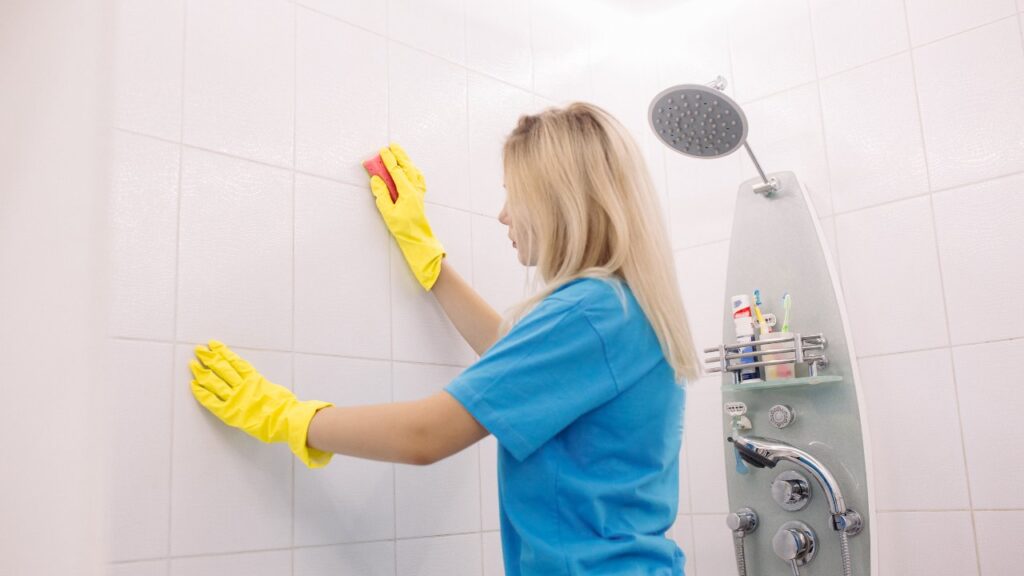
For daily cleaning with a product, use a pH-neutral cleaner specifically formulated for solid surfaces. Mix a small amount with water in a spray bottle. Spray the walls lightly, wipe with a soft cloth or sponge, then rinse with clean water.
The rinsing step is crucial. Many people spray, wipe, and walk away. This leaves cleaner residue that builds up into a hazy film over weeks. Always rinse thoroughly with clean water after applying any cleaning product.
Dry the walls after rinsing when possible. This prevents water spots and mineral deposits from forming as the water evaporates.
Deep Cleaning for Stubborn Buildup
Even with good daily maintenance, you will occasionally need deeper cleaning for accumulated soap scum, hard water deposits, or isolated stains.
Removing Soap Scum
Soap scum forms when soap combines with minerals in water. On solid surface walls, this creates a cloudy film that standard cleaners often cannot remove effectively.
Mix equal parts white vinegar and water in a spray bottle. Spray the affected area generously and let it sit for 5 to 10 minutes. The mild acidity of vinegar breaks down soap scum without damaging the finish.
Wipe with a soft cloth using gentle circular motions. Rinse thoroughly with clean water. If residue remains, repeat the process rather than scrubbing harder.
For persistent soap scum, use a cleaner specifically designed for solid surfaces. These products balance effectiveness against soap scum with safety for the finish.
Tackling Hard Water Stains
Hard water deposits appear as white, chalky spots or streaks where water repeatedly dries on the surface. These mineral deposits bond to the finish and require specific treatment.
The same vinegar solution works for light hard water staining. For heavier deposits, increase the concentration to two parts vinegar to one part water.
Apply the solution, let it dwell for 10 to 15 minutes, then wipe gently. Multiple applications with patience work better than aggressive scrubbing.
For extremely stubborn mineral deposits, specialized solid surface cleaners with mild chelating agents remove minerals without damaging the finish. Follow product directions carefully and always test in an inconspicuous area first.
Addressing Specific Stains
Different stains require different approaches, but the principle remains consistent. Use the mildest effective method first, escalate gradually if needed, and always rinse thoroughly.
For mildew or mold spots, use a diluted solution of dish soap and water rather than bleach. Solid surfaces resist mold growth naturally, so any visible mold typically grows on soap residue rather than the surface itself. Removing the residue eliminates the mold’s food source.
For rust stains from metal fixtures or items, specialized rust removers designed for use on solid surfaces work effectively. Generic rust removers often contain acids too strong for these materials.
For dye stains from temporary hair color or other cosmetics, immediate attention matters most. Blot rather than rub, then clean with a pH-neutral cleaner. Set-in dye stains may require professional treatment.
Comprehensive Cleaning Products Guide
This table helps you choose the right cleaning approach for different situations while avoiding products that cause damage.
| Cleaning Scenario | Recommended Products | Application Method | What to Avoid | Frequency |
| Daily maintenance | pH-neutral solid surface cleaner, mild dish soap | Light spray, soft cloth wipe, thorough rinse | Abrasive pads, powder cleansers | After each use |
| Soap scum removal | 50/50 vinegar-water solution, solid surface cleaner | Spray, 5-10 min dwell time, gentle wipe, rinse | Acidic tile cleaners, bleach | Weekly or as needed |
| Hard water deposits | 2:1 vinegar-water solution, chelating cleaners | Apply, 10-15 min dwell, gentle wipe, rinse | Steel wool, abrasive pads | Monthly or as needed |
| Mold/mildew spots | Dish soap solution, hydrogen peroxide (diluted) | Spray, gentle wipe, thorough rinse | Chlorine bleach, ammonia cleaners | As needed |
| General deep cleaning | Manufacturer-recommended cleaner | Follow product directions, always rinse | Multi-surface cleaners not rated for solid surfaces | Monthly |
| Stubborn stains | Baking soda paste (very gentle), specialty stain removers | Minimal rubbing, immediate rinse | Acetone, paint thinner, aggressive acids | As needed |
Tools That Protect Rather Than Damage
Your cleaning tools matter as much as your cleaning products. The right tools preserve the finish while removing buildup effectively.
Microfiber cloths offer the best combination of cleaning power and surface safety. They lift dirt without scratching and can be laundered and reused hundreds of times.
Soft sponges work well for light scrubbing when needed. Look for sponges specifically labeled as non-abrasive and safe for delicate surfaces.
Squeegees remove water efficiently without any risk to the finish. Choose one with a soft rubber blade rather than hard plastic.
Spray bottles allow you to control product application and ensure even coverage without waste.
Avoid anything marketed as “heavy-duty scrubbing” or containing abrasive materials. If you question whether a tool is too aggressive, it probably is.
Prevention Strategies That Reduce Cleaning Needs
Smart habits minimize the cleaning your walls need while maximizing their appearance and lifespan.
Install proper bathroom ventilation. Running an exhaust fan during and for 20 minutes after showers removes moisture that leads to soap scum and mineral deposits. According to research published by the National Association of Home Builders, adequate bathroom ventilation significantly reduces moisture-related maintenance issues in all bathroom surfaces.
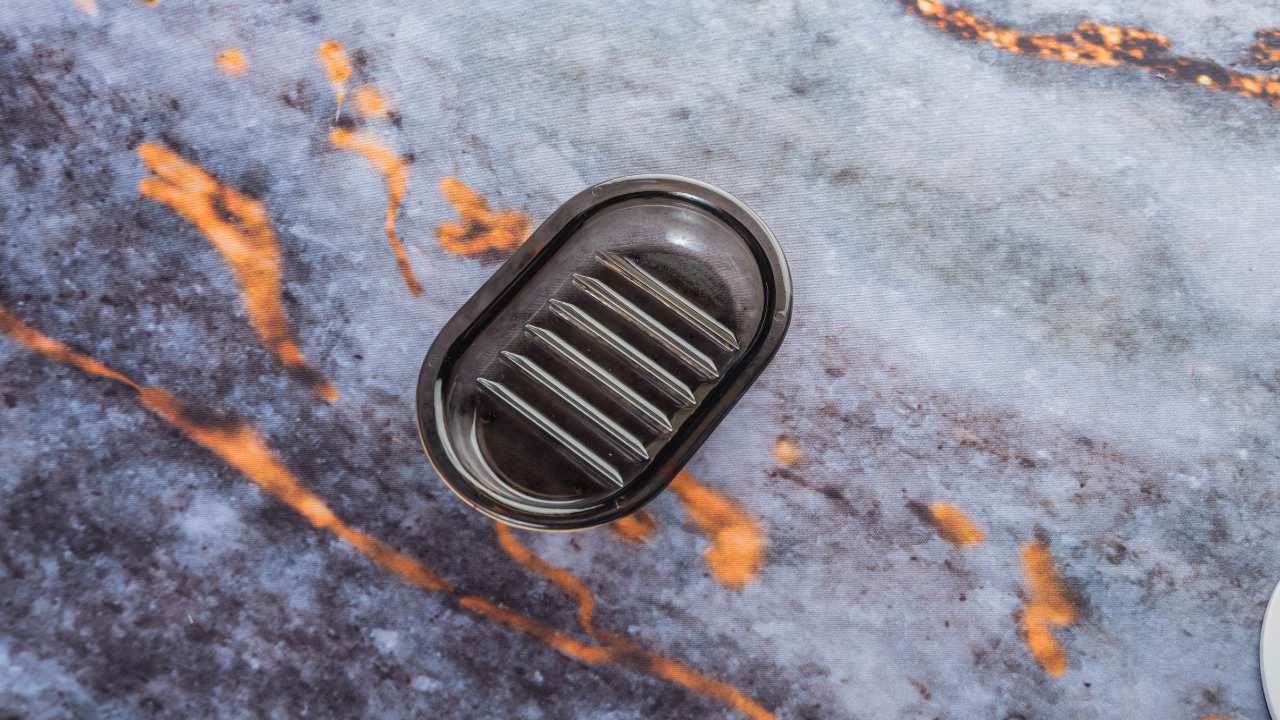
Keep shampoo bottles and soap dispensers off the walls. Residue from these products creates stubborn buildup where they contact the surface. Use wall-mounted dispensers with proper drip trays or keep products on shelves away from the walls.
Address leaks immediately. Even minor drips create mineral deposit streaks that become harder to remove over time.
Use a water softener if you have hard water. This reduces mineral content in the water, dramatically decreasing hard water staining and soap scum formation.
Wipe spills and splashes immediately rather than letting them dry on the surface. Fresh messes clean easily. Dried, set-in stains require aggressive treatment that risks finish damage.
Maintaining Warranty Compliance
Most solid surface wall systems come with substantial warranties, but these warranties have specific maintenance requirements.
Review your warranty documentation for approved cleaning products and methods. Using non-approved products can void coverage even if those products claim to be “safe for all surfaces.”
Keep records of your cleaning practices and products used. If you ever need to file a warranty claim, documentation of proper care strengthens your case.
Contact the manufacturer or installer if you encounter a cleaning challenge not covered in your care guide. They can recommend appropriate solutions that maintain warranty coverage.
Never use experimental cleaning methods you find online without verifying they align with manufacturer recommendations. What works on one brand of solid surface may damage another.
American Bath and Shower provides specific care instructions for their solid surface walls as part of their installation service. Following these guidelines ensures optimal performance and warranty protection.
FAQs
Can I use vinegar on all solid surface walls?
Diluted white vinegar (50/50 with water) is generally safe for most solid surface materials when used occasionally for soap scum or light mineral deposits. However, some manufacturers advise against any acidic cleaners. Always check your specific product warranty before using vinegar regularly.
How often should I deep clean solid surface walls?
With proper daily maintenance (quick wipe after each shower), deep cleaning is typically needed only monthly. Bathrooms with hard water or heavy use may require more frequent deep cleaning every two to three weeks.
What causes the cloudy film that develops on solid surface walls?
Cloudy film usually results from soap residue, cleaner residue that was not rinsed properly, or hard water mineral deposits. The solution is thorough rinsing after cleaning and using a squeegee or towel to dry the walls after showers.
Can scratches on solid surface walls be repaired?
Minor surface scratches can sometimes be buffed out using methods recommended by the manufacturer. Deep scratches may require professional refinishing. Prevention through proper cleaning tools is the best approach.
Is it safe to use steam cleaners on solid surface walls?
Most manufacturers approve steam cleaning for solid surfaces, as it uses only heat and water with no chemicals. However, verify with your specific product documentation. Excessive heat concentration in one spot for extended periods should be avoided.
Why do my walls feel rough or gritty after cleaning?
This typically indicates cleaner residue or mineral deposits that were not fully removed. Re-clean the area with plain water and a microfiber cloth, then dry thoroughly. If the texture persists, soap scum or hard water buildup may require treatment with vinegar solution.
Conclusion
Cleaning solid surface walls correctly preserves their beauty and functionality for decades. The key principles are simple but essential. Use only pH-neutral, non-abrasive products approved for solid surfaces. Clean regularly with gentle methods rather than waiting for heavy buildup that requires aggressive treatment. Always rinse thoroughly after applying any cleaning product. Dry the walls when possible to prevent mineral deposits.
Daily maintenance takes minimal time but prevents the problems that lead to finish damage. When deeper cleaning becomes necessary, patience with appropriate products works better than force with inappropriate ones.
Your solid surface walls represent a significant investment in your bathroom’s quality and ease of maintenance. Treating them properly ensures they deliver on that promise for the life of your home.For questions about caring for your specific solid surface wall system or to discuss upgrading to low-maintenance wall solutions, contact American Bath and Shower for expert guidance tailored to your bathroom.