When a shower or tub surround starts to look tired, the two options most homeowners choose are solid-surface panels and acrylic surrounds. Both are alternatives to tile. Both install faster than a traditional tile job. And both get sold as low-maintenance solutions. But they’re not the same product, they’re not made from the same materials, and they don’t hold up the same way over time.
This blog breaks down the real differences between the two, including material composition, performance in humid environments, repairability, cost over time, and what each one actually looks like to live with day-to-day.
Key Takeaways
- Solid surface and acrylic are different materials with different structural profiles. Acrylic is a lightweight thermoplastic shell; solid surface is a dense composite that goes all the way through.
- Acrylic surrounds cost less upfront but are more prone to surface damage and harder to repair invisibly.
- Solid surface walls carry a higher upfront cost but perform better in humid climates and typically last longer without visible wear.
- Both options can be installed over existing walls in the right conditions, which matters for homeowners who want to avoid demolition.
- Florida’s combination of hard water, heat, and humidity puts more stress on shower wall materials than most other climates. That context shapes which option holds up better here.
What Each Material Actually Is?
The terms “solid surface” and “acrylic” are used loosely, which creates confusion. Here’s what each is at the material level.
Acrylic surrounds are made from a thermoplastic sheet that is vacuum-formed into a mold. The result is a lightweight panel with a glossy outer layer and a hollow or foam-backed interior. The acrylic surface you see is typically 3 to 5 millimeters thick. Underneath that shell is mostly air or backing material. It’s the same basic process used to make acrylic bathtubs.
Solid surface is a composite material made from a mineral filler (often derived from stone or bauxite) and a binding resin, pressed under high pressure into a dense panel. At American Bath & Shower, their solid surface walls are made from a blend of Italian stone and elastic resin reinforced with fiberglass. The material is consistent all the way through. There’s no hollow core, no thin veneer. What you see on the surface goes the full depth of the panel.
That structural difference is the root cause of most of the performance differences between them.
Side-by-Side Comparison
| Solid Surface Walls | Acrylic Walls | |
| Material composition | Dense mineral-resin composite, consistent throughout | Thermoplastic shell, hollow or foam-backed |
| Panel thickness | Typically 3/8″ to 1/2″ | Typically 3–5mm surface layer |
| Grout lines | None | None |
| Surface durability | Resists chips and scratches well; damage is repairable | More prone to scratching, cracking under impact |
| Repairability | Surface can be sanded and refinished | Damage is difficult to repair invisibly |
| Mold and mildew resistance | High (non-porous, no seam gaps to trap moisture) | Good if sealed properly; seams can admit moisture over time |
| Heat resistance | Higher | Lower; prolonged heat exposure can cause warping |
| Upfront cost | Higher | Lower |
| Lifespan | 20+ years with proper care | 10–15 years before visible wear is typical |
| Design options | Wide range of colors, textures, and finishes | More limited; surface gloss can fade over time |
| Installation over existing walls | Yes, in most cases | Yes, in most cases |
| Warranty coverage | Often lifetime (varies by installer) | Varies; typically shorter term |
Where Acrylic Falls Short in Real Use
Acrylic surrounds work fine in low-stress conditions. The issues tend to emerge gradually, and they’re the kind of problems that don’t announce themselves until the damage is already done.
Surface wear. The glossy acrylic finish scratches more easily than most homeowners expect. Abrasive cleaners, hard water scrubbing, and even some loofahs can dull the surface over time. Once the finish dulls or scratches, it’s visible in bathroom light in a way that’s hard to ignore.
Impact damage. Because the material is a thin shell over a hollow core, dropping something heavy in the shower can crack or dent it. A solid object hitting a solid surface panel distributes the force differently. The dense composite doesn’t flex the same way and holds up considerably better to incidental impacts.
Seam behavior over time. Acrylic panels have seams, typically at the corners and where panels meet. Those seams are sealed with caulk. Caulk shrinks, separates, and eventually fails, especially in environments where temperatures swing and moisture is constant. When the seam opens even slightly, water gets behind the panel. In Florida’s humid climate, that’s not a slow problem. It progresses quickly and damages the substrate behind the surround before most homeowners notice it.
Warping. Acrylic is a thermoplastic, which means heat affects it. Prolonged exposure to very hot showers, particularly in a small enclosed space, can cause acrylic panels to warp or bow slightly at the edges over time. It doesn’t happen overnight, but it does happen.
Why Material Composition Matters in Florida Specifically
Florida’s climate isn’t just humid. It’s a combination of high ambient humidity, hard mineral-heavy water in most areas, and temperature swings between air-conditioned interiors and outdoor heat. Shower wall materials experience all three.
Hard water leaves mineral deposits. In a tiled shower, those deposits collect in grout lines. In acrylic or solid surface panels, they sit on the surface itself and are wiped off more easily. That’s one advantage both options share over tile. But how the seams and surface hold up to repeated wetting and drying cycles matters more over years.
Solid surface’s non-porous composition means it doesn’t absorb moisture at any point in the panel. The material is the same from front to back. Acrylic’s thin surface layer handles moisture at the face, but if a seam fails, the backing material is exposed to moisture it was never designed to handle.
For Florida homeowners planning to stay in the home for ten or more years, the seam durability question is worth taking seriously when choosing between the two.
Repairability: A Detail That Matters More Than It Sounds
This one is underrated in most comparison articles. The ability to repair a material in place, without replacing the entire surround, changes the long-term economics considerably.
Acrylic damage is difficult to repair invisibly. When a panel cracks or chips, the repair options are limited. Repair kits exist but the results are usually visible in direct light. In most cases, significant acrylic damage leads to panel replacement.
Solid surface can be sanded and refinished on-site. Because the color and composition run through the full thickness of the panel, a surface scratch or minor chip can be addressed without replacing the panel. The repair blends in. It’s the same reason solid surface countertops in kitchens are considered more forgiving than laminate over time.
That repairability difference doesn’t matter in year one. It starts to matter in year eight or twelve, when the first real wear shows up and you’re deciding between a repair and a full replacement.
Installation: What Both Options Have in Common?
One of the main reasons homeowners choose either product over tile is installation speed and disruption. Both solid surface panels and acrylic surrounds can, in the right conditions, be installed directly over existing walls without demo. That means no tearing out tile, no days of dust and debris, and no extended bathroom downtime.
American Bath & Shower’s solid surface wall installations are typically completed in a single day. No demolition, no extended project timeline. That’s a meaningful difference from a tile job, which involves substrate prep, setting time, grouting, and sealing across multiple days.
The main condition for an over-installation to work is that the existing substrate has no water damage behind it. If there’s moisture behind the old surround, that needs to be addressed first regardless of which wall system goes on top. Skipping that step is how new installations fail prematurely.
Which One Fits Your Situation
There isn’t a universal answer, but the pattern is reasonably consistent.
Acrylic surrounds make the most sense when budget is the primary constraint, the bathroom is a secondary or guest bath with lighter daily use, and the plan isn’t to stay in the home for more than five to eight years. As an entry-level tile alternative, acrylic works.
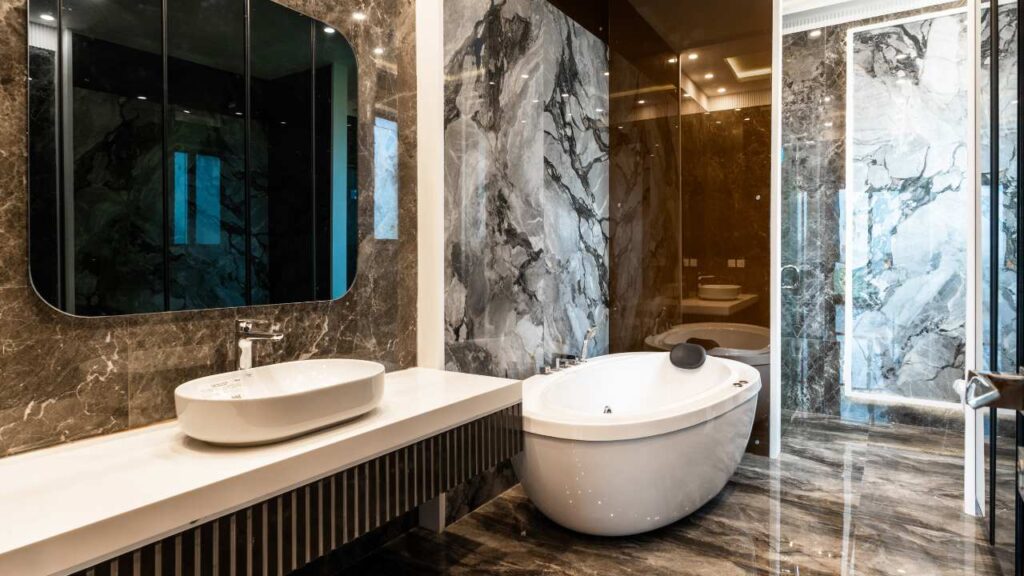
Solid surface makes more sense for primary bathrooms, for homeowners planning to stay long-term, and for anyone in Florida’s climate who has dealt with caulk failures or moisture issues in a previous surround. The upfront cost is higher, but the combination of durability, repairability, no grout lines, and longer lifespan tends to make it the better value over the full life of the installation.
If you want to see what the options look like in a real bathroom setting before committing, American Bath & Shower’s product galleries show their wall systems across multiple styles and configurations.
FAQs
Can solid surface walls be installed over tile?
In many cases, yes, provided the existing tile is in good condition, firmly adhered, and the wall behind it has no moisture damage. An assessment during the consultation stage will confirm whether the existing surface is suitable.
Do acrylic surrounds look cheap?
Not necessarily when new. The quality varies significantly by manufacturer and price point. Higher-end acrylic surrounds can look clean and attractive when first installed. The concern is how they look after five to ten years of daily use.
How do you clean solid surface panels?
A soft cloth and a non-abrasive household cleaner is all that’s needed. No sealers, no grout brushes, no specialized products. That simplicity is one of the main practical advantages over tile.
Is there a difference in how the two options affect home resale?
Both are generally viewed more favorably than dated tile surrounds in poor condition. Solid surface tends to photograph better and read as a more premium finish to buyers, which can make a difference in competitive markets.
What if I’m not sure which wall system fits my bathroom?
That’s exactly what a free in-home consultation is for. American Bath & Shower’s design consultants assess the existing space, discuss the options, and bring physical samples so you can see and feel the materials before deciding.