Upgrading a bathroom isn’t just about making it look nicer. A smart bathroom upgrade fixes the daily friction you feel but rarely talk about: a cramped shower you bump your elbows in, a tub wall that’s too high to step over comfortably, grout that never looks clean, or a layout that simply doesn’t fit how your household actually lives.
This guide is for homeowners who want a clear breakdown of types of bathroom setups and bathroom styles, then a practical way to choose the right wet-area upgrade (bathtubs, showers, conversions, and walk-in options) in a way that aligns with the services we install at American Bath & Shower, so your decision is based on real use, not trends.
Key Takeaways
- The fastest way to choose the right upgrade is to start with your bathroom type (primary, guest, powder) and how it’s used.
- Most satisfaction comes from the wet area: shower replacement, bathtub replacement, tub-to-shower conversion, or a walk-in tub.
- If cleaning is a constant battle, upgrading to low-maintenance wall systems can matter more than a new paint color.
- The most timeless “style” is the one that stays comfortable: safe entry, good lighting, smart storage, and finishes that match.
Start here: What type of bathroom are you upgrading?
Your “right” upgrade depends on the job the bathroom does. A primary bath needs daily comfort. A guest bath needs flexibility. A powder room is about style impact with minimal construction.
Primary bathroom: daily comfort comes first
A primary bathroom is where you feel every decision you make, because you use it the most. If your mornings feel rushed and your shower feels tight, that becomes your baseline stress without you even noticing. In primary bathrooms, the best upgrades usually focus on shower comfort, easy access, better storage, and finishes that don’t require excessive maintenance. If you’re choosing between a prettier vanity and a better wet area, most homeowners are happier long-term when the wet area wins.
Guest or hall bathroom: flexibility matters
Guest and hall bathrooms usually serve more than one “type” of user: kids, visitors, and the everyday rush of a household. That’s why a tub-and-shower combination can still be a smart choice here. If you’re considering resale, keeping at least one tub in the home can be beneficial, but the bigger point is functionality. A guest bath upgrade should feel clean, modern, and durable, without being so specific that it only works for one person’s habits.
Powder room: the smallest room can make the biggest impression
A powder room doesn’t need a bathtub or shower, but it’s still part of your “bathroom upgrade” plan if your home feels dated. This is where lighting, a new mirror, upgraded fixtures, and a more intentional style can create a surprisingly high-end feel. It’s also a good place to experiment with a bolder look, because you’re not living inside it every morning.
Decide on the wet-area upgrade that fits your life
This is the main event. Most homeowners should choose one direction: upgrade the shower, upgrade the tub, convert the tub to a shower, or install a walk-in tub for safety and comfort.
Shower replacement: the upgrade most people feel immediately
If you shower almost every day, a shower upgrade is usually the most satisfying change you can make. A shower replacement is about more than looks. It’s about how the space performs: how easy it is to step in, how simple it is to keep clean, whether you have the right storage for shampoo and soap, and whether the fixtures feel reliable and comfortable.
A modern shower setup can also make your bathroom feel larger without changing the square footage. The reason is simple: when the wet area looks cleaner and more open, the whole room reads as more spacious. Shower replacement is one of the core options we handle, and it pairs naturally with low-maintenance wall surfaces for a finished, long-lasting result.
Bathtub replacement: still the right choice for many homes
Bathtubs aren’t outdated. They’re just specific. If you have children, if you genuinely use a bath to unwind, or if you want at least one tub for broad household flexibility, replacing the bathtub can be the correct move. The key is choosing a tub that fits your needs, rather than forcing your needs to fit the tub.
A bathtub replacement becomes especially valuable when the current tub is stained, cracked, hard to clean, or simply makes the bathroom feel tired. In many homes, replacing the tub and surrounding walls (instead of patching old surfaces) is what finally makes the room feel “new.” Bathtub solutions are also a practical choice when you want to keep a tub but modernize everything around it.
Tub-to-shower conversion: when the tub has become a daily obstacle
This is the upgrade that often gets chosen for one honest reason: the tub is there, but it’s not being used. Instead, it’s acting like a barrier. Stepping over a tub wall every day can feel fine until it doesn’t. Maybe it’s a knee issue, maybe it’s balance, maybe it’s just the reality that your household has become a “shower household.”
A tub-to-shower conversion can open the space, make entry easier, and modernize the bathroom quickly. It also tends to make daily cleaning easier, especially when paired with wall systems designed to resist mold and mildew. If your goal is a bathroom that’s more functional right now and safer over time, this upgrade is often the best fit.
Walk-in tubs: the bath option built around safety and control
Some homeowners want a bath, but they also need it to be safer and more stable. That’s exactly where walk-in tubs come in. Instead of climbing over a high tub wall, you step in through a door and bathe with more support. For many households, this isn’t about luxury—it’s about independence and confidence.
Walk-in tubs are especially worth considering if you’re planning an aging-in-place upgrade, supporting a family member, or simply thinking ahead. And because the wet area is such a central part of bathroom function, choosing a safer bathing setup can be one of the most meaningful home upgrades you ever make.
Choose a bathroom style that won’t feel dated fast
A “style” should support the way you live. The most timeless looks are built on simple lines, consistent finishes, and surfaces that stay clean.
Modern spa: clean, calm, and low visual noise
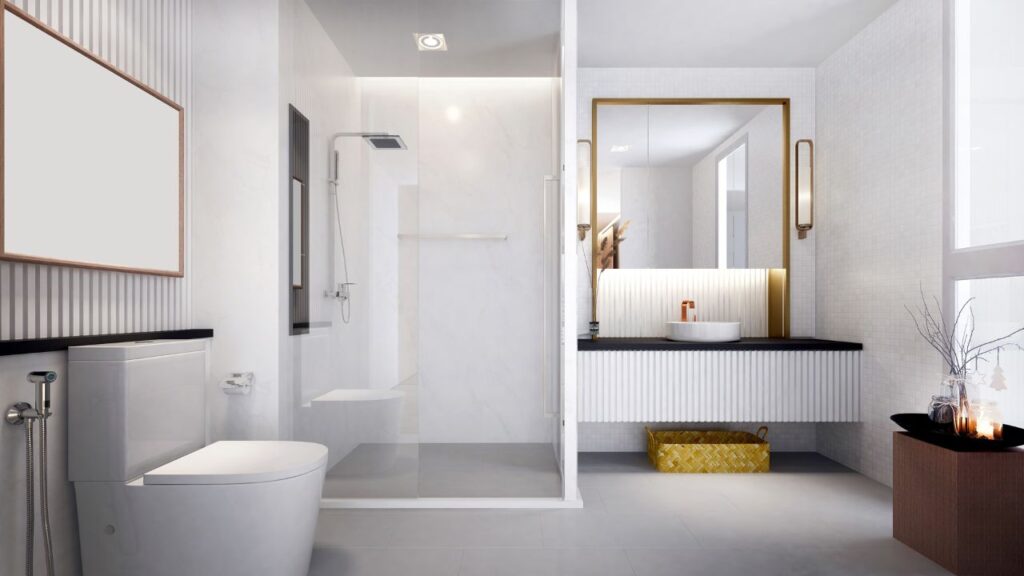
The spa look is popular for a reason. It feels calm. It’s also practical when done properly. Clean lines, simple finishes, and uncluttered surfaces make the bathroom easier to maintain. For wet areas, spa-style works best when the walls and surfaces look seamless and the fixtures feel intentional.
If you’re going for a modern spa, your best friend is consistency. Choose one fixture finish, keep the lines clean, and avoid adding too many competing patterns. When you remove visual clutter, the room looks more expensive, even if the footprint stays the same.
Transitional: the safest “long-term” style
If you don’t want to gamble on trends, transitional design is often the best choice. It blends modern simplicity with classic warmth, so it stays attractive longer. It’s also a great style for homeowners who care about resale, because it’s less polarizing than very modern or very traditional looks.
Transitional bathrooms usually succeed because they focus on strong basics: balanced lighting, durable wet-area materials, and a layout that feels comfortable. It’s not flashy, but it’s the style that tends to age well.
Traditional: warm, familiar, and still current when updated
Traditional bathrooms can feel timeless when the materials and fixtures are updated. If your home has classic architecture, going too modern can feel out of place. A traditional-style bathroom can still look fresh when the wet area is clean, the fixtures are upgraded, and the finishes match.
If you love traditional style, the goal isn’t to recreate the past; it’s to keep the warmth while removing the maintenance headaches and dated surfaces.
Materials that make a bathroom easier to live with
Maintenance is where many bathroom upgrades succeed or fail. If you want a bathroom that still looks good in year five, prioritize the materials for the wet areas.
Solid surface walls: the “less scrubbing” upgrade
If you’ve ever tried to keep grout looking clean, you already understand why people search for alternatives. Solid surface wall systems are popular because they offer a more seamless look and are designed to resist common wet-area problems like staining and mildew. The real win is daily life: fewer places for grime to build up, and an easier wipe-down routine.
This kind of wall upgrade pairs well with shower, tub, and conversion replacements because it modernizes the wet area in a way that holds up over time.
Think about entry, threshold, and footing
A bathroom isn’t just wet, it’s slippery. Even if you’re not planning for accessibility, it’s still smart to reduce trip-and-slip risk. Simple additions, such as non-slip footing and properly placed support features, can make a difference. The CDC’s fall-prevention checklist specifically calls out practical bathroom safety measures, such as grab bars and non-slip surfaces.
If you’re doing a shower upgrade or conversion, also think about entry height. Guidance around thresholds exists for a reason: small changes in level can become big barriers as mobility changes.
Planning your upgrade so it fits, functions, and feels right
The best bathroom upgrades don’t start with tile samples. They start with clearances, real measurements, and how you want the bathroom to work.
Measure the bathroom like you mean it
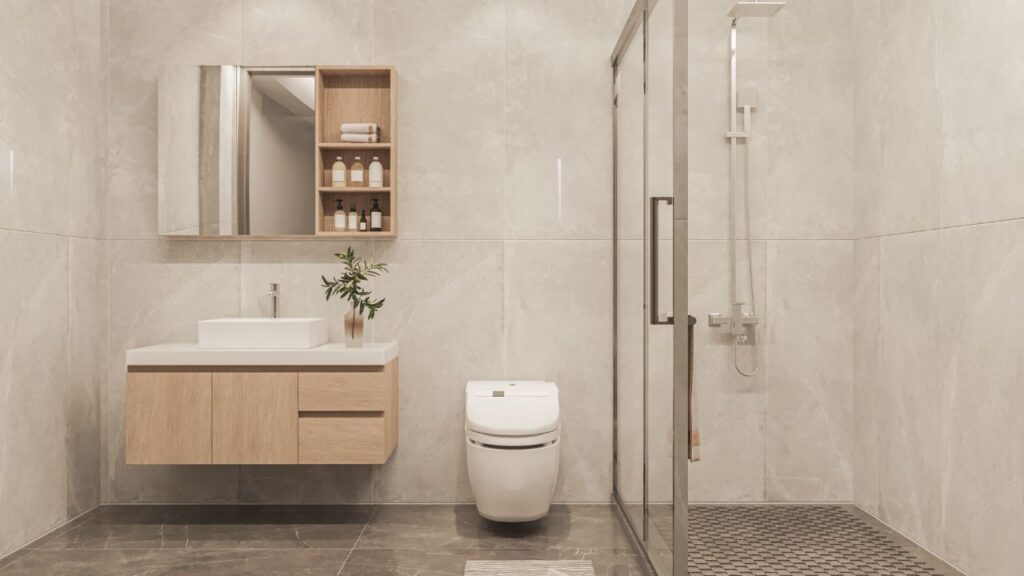
Before you fall in love with a design idea, make sure your bathroom can comfortably accommodate it. Planning guidelines often recommend clear floor space in front of fixtures, and these spacing rules matter because they impact daily comfort, whether you’re getting ready in the morning or helping a child brush their teeth. NKBA bath planning guidelines, for example, recommend clear floor space to avoid a bathroom feeling cramped.
Decide your scope: wet-area upgrade vs full bathroom refresh
Not every bathroom needs a total tear-out to feel upgraded. Many homeowners get the biggest improvement by focusing on the wet area, then finishing with simple upgrades like lighting, mirrors, and hardware that match. If your goal is performance and comfort, a wet-area upgrade is usually the best place to invest.
Choose upgrades that match how long you plan to stay
If you’re staying long-term, prioritize ease of use and low maintenance. If you’re upgrading for resale, choose a broadly appealing style (often transitional), keep finishes consistent, and make sure at least one bathroom in the home offers the flexibility buyers expect.
FAQs
What’s the best bathroom upgrade if I shower every day and never use the tub?
A shower replacement or tub-to-shower conversion usually fits best because it improves the space you actually use. If cleaning is a pain point, consider solid surface walls to reduce maintenance.
Should I remove a bathtub if I’m thinking about resale?
It depends on your home, but many homeowners keep at least one tub somewhere in the house for flexibility. If you already have another tub, converting one tub to a shower can still be a smart, modern upgrade.
What bathroom styles look good long-term without feeling trendy?
Transitional styles tend to age well because they blend clean lines with classic warmth. The most “timeless” bathrooms also have consistent finishes, good lighting, and a wet area that looks clean and cohesive.
Are walk-in tubs only for seniors?
No. Walk-in tubs are for anyone who wants a safer, more stable bathing experience. They’re common for aging-in-place upgrades, but they’re also chosen by homeowners who want comfort and security now.
What’s one upgrade that makes a bathroom easier to clean right away?
Upgrading the wet-area surfaces is usually the fastest win. Wall systems designed for wet environments can reduce the constant battle with grime and buildup, especially compared to high-maintenance grout lines.
Final Thoughts
A bathroom upgrade should make your home easier to live in, not just nicer to look at. When you choose the upgrade based on your bathroom type, your routine, and the wet-area option that truly fits (shower replacement, bathtub replacement, tub-to-shower conversion, or a walk-in tub) you end up with a bathroom that feels right every single day.If you’re ready to make a confident decision (and avoid expensive second-guessing), American Bath & Shower can help you choose the best-fit solution, design it around your space, and install it with a plan built for durability and comfort. Explore our shower, bathtub, walk-in tub, and solid surface wall installations, then reach out for a service-based consultation to map out the upgrade that fits your home and your life.