A bathroom upgrade can feel simple in your head and complicated the second you start measuring, picking finishes, and realizing how many decisions quickly add up. The good news is you do not need to be a contractor to plan a smart bathroom remodelling. You just need to ask the right questions before you commit to a layout, a product, or a timeline.
This guide is designed to help you avoid the most common “we should have thought of that earlier?” moments, such as choosing a shower system that is hard to service later, falling in love with a look that is high-maintenance, or underestimating how much your day-to-day routine is disrupted during work. You will also see how an experienced remodeler can save you time and money by tightening the scope, improving durability, and reducing rework.
Key Takeaways
- A bathroom remodelling project succeeds when you lock scope, budget, and timeline before you fall in love with finishes.
- The hidden decisions matter most: plumbing locations, waterproofing approach, ventilation, and service access.
- Material choice is not only about aesthetics but also about cleaning effort, durability, and how it will age.
- Fast remodels can be a great fit when you are upgrading surfaces and systems without major layout changes, but you still need clear expectations.
- Ask about warranty coverage, maintenance, and who you call if something needs adjustment later.
Budget, Scope, and Priorities
Start by defining success for your bathroom upgrade, then translate that into a realistic budget and a scope you can complete without constant change orders.
Question 1: What problem are you solving with this bathroom upgrade?
Before you price anything, get specific about your “why.” Are you solving a safety issue, a cleaning issue, a style issue, or a space issue? If daily grout scrubbing and mildew are the problem, the solution is not just new tile; it might be switching to a lower-maintenance wall system. If the pain is caused by stepping over a tub wall, the solution may be a walk-in shower conversion or a walk-in tub, depending on mobility needs and bathing habits.
Write down the top two frustrations, then the top two outcomes you want. That becomes your decision filter. When you know what you are fixing, it becomes easier to decline upgrades that look good but do not serve your goal.
Question 2: What is your true budget range, including hidden costs?
A budget is not a single number; it is a range with a buffer. Your base budget covers the planned work, and your buffer covers what tends to show up in real bathrooms, minor plumbing updates, subfloor surprises, and upgrade choices you make once you see options.
A practical way to set this up is to decide on your comfortable monthly payment or cash limit, then work backward to the scope that fits it, rather than designing a dream and trying to squeeze it down later. Also, make sure you understand what is included and what is not: fixtures, demo, disposal, permits, and any electrical work.
Question 3: What are the non-negotiables, and what are the nice-to-haves?
This one feels basic, but it prevents most mid-project indecision. Non-negotiables could include barrier-free entry, a built-in niche, brighter lighting, or a specific wall material that is easy to maintain. Nice-to-haves might include a rainfall head, a bench, upgraded fixtures, or a designer mirror.
This matters because nice-to-haves tend to creep into scope, and scope creep is how timelines and budgets get disrupted. When decisions get stressful, your non-negotiables keep you grounded.
Layout, Plumbing Reality, and Service Access
Layout changes are where costs and complexity jump. You can still get a major upgrade while keeping plumbing locations smart, and you should plan for future service, not just day one aesthetics.
Question 4: Are you changing the layout, and if so, why?
Moving plumbing is possible, but you should demand a good reason. If your current layout wastes space, blocks the door swing, or makes the shower feel cramped, a change might be worth it. If you are moving things only because they feel more modern, you may be paying for complexity that does not increase comfort.
Many homeowners get most of the visual transformation by upgrading walls, doors, fixtures, and lighting without relocating drains and supply lines. If you want a faster timeline and fewer surprises, keeping the core layout intact is often the simplest path.
Question 5: How will you ensure future access to valves and plumbing?
This is one of the most overlooked questions, and it matters because fixtures and valves are not set-and-forget forever. A good plan includes access for maintenance. Even a beautiful shower can become a headache if the valve is buried with no reasonable access route.
When reviewing the plan, ask directly: If something needs servicing later, where will you open it up? The answer should be clear, not vague. You want a bathroom upgrade that stays stress-free even with normal wear and tear.
Question 6: What is your waterproofing strategy, and who is responsible for it?
Waterproofing is not the glamorous part of bathroom remodelling, but it is the part that protects your home. Ask what system is being used, how corners and seams are handled, and how penetrations are sealed. If you are comparing tile to other wall systems, include waterproofing and long-term moisture risk in your comparison, not just the initial look.
If a contractor cannot explain their waterproofing plan simply and confidently, that is a red flag. Moisture problems are expensive, and they rarely announce themselves early.
Materials That Match Your Lifestyle
The right materials are the ones you will still like after year two, when the novelty fades, and cleaning becomes routine.
Question 7: Are you choosing materials for looks, or for maintenance and durability?
Be honest about how you live. If you have kids, pets, hard water, or a busy schedule, a high-maintenance, beautiful look can turn into regret fast.
Tile can look great, but grout lines can mean more cleaning and more places for discoloration over time. Many homeowners prefer smoother, more seamless wall options because they are easier to wipe down and less likely to look tired after constant use. The right answer depends on your taste and your tolerance for upkeep, but you should decide with your future self in mind.
Question 8: Do your fixtures fit your daily routine and water habits?
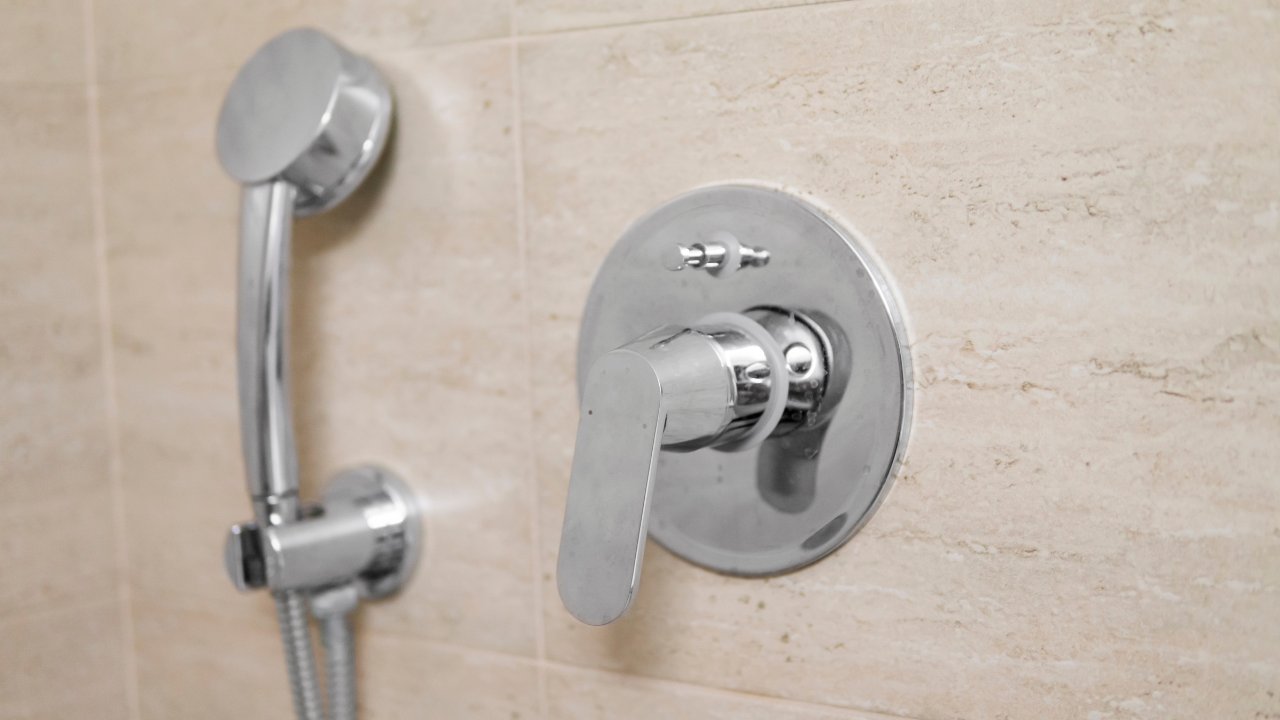
Fixtures are where comfort lives. Think about who uses the shower, how tall they are, whether you need a handheld for cleaning and pets, and whether your water pressure supports certain showerheads.
Also consider practical installation details that affect performance and longevity, correct placement, proper sealing, and thoughtful height choices. A bathroom upgrade feels premium when it works effortlessly every day, not when it only looks premium in photos.
Question 9: Are you planning for accessibility now, or waiting until you have to?
Accessibility is not only for seniors. It is for anyone who wants a safer, easier bathroom for the long haul. Consider slip resistance, entry threshold, grab bar reinforcement, bench options, and door style.
Even if you do not need full accessibility today, planning for it can be a smart resale and comfort decision. If bathing is important and mobility is a concern, a walk-in tub can also be part of the solution, depending on your household’s needs and preferences.
Timeline, Disruption, and How the Project Actually Runs
A realistic schedule is not just start and finish dates, it is how your home functions during the work and how decisions are handled when something changes.
Question 10: How long will your bathroom be out of service, and what is the plan to minimize disruption?
This is the question that matters most once real life hits. If this is your only bathroom, downtime is a huge deal. Ask what parts of the remodel create the most disruption, demolition, plumbing changes, cure times, and inspections.
Also, ask how the team handles surprises. A professional process includes clear communication, options, and cost impacts before work continues. If the timeline sounds too perfect, ask what could cause it to change and how you will be notified.
FAQs
How do I start planning a bathroom remodelling project?
Start by defining your top problems and your non-negotiables, then set a budget range with a buffer. After that, obtain a professional assessment to determine what is feasible in your space.
Can I upgrade my shower without remodelling the entire bathroom?
Yes. Many homeowners transform the space by upgrading shower walls, doors, fixtures, and lighting while keeping the existing layout. This can improve the look and function without requiring the relocation of plumbing.
What is the biggest mistake people make during a bathroom upgrade?
They choose finishes before locking the scope and budget. When the plan is unclear, decisions become expensive, timelines slip, and compromises show up at the end.
Is tile always the best choice for shower walls?
Not always. Tile can be beautiful, but it often requires more ongoing maintenance due to grout. If ease of maintenance is a priority, consider options that are easier to clean and less prone to long-term discoloration.
How long does a typical bathroom remodel take?
It depends on the scope. A surface-level shower upgrade can be much faster than a full remodel that changes layout, plumbing, and electrical. The best way to get a reliable timeline is to confirm exactly what is included and what conditions could extend the schedule.
Conclusion
A bathroom upgrade is not just a design project; it is a comfort and durability project. When you ask these ten questions up front, you protect your budget, reduce stress, and end up with a bathroom remodelling result that fits how you actually live.If you want professional guidance on a shower remodel, walk-in tubs, or durable wall systems, book a consultation with American Bath and Shower to develop a clear plan before you start selecting finishes.