The shower pan is the most critical component of your bathroom that most people never think about until something goes wrong. This sloped floor catches every drop of water from your shower and channels it safely to the drain. Choose the wrong material or install it incorrectly, and you face water damage, mold growth, and expensive repairs that extend far beyond the bathroom itself.
Understanding shower pan materials before you commit to a remodel helps you make informed decisions that balance cost, durability, maintenance requirements, and aesthetic goals. Each material performs differently under daily use, and what works for one household may disappoint another.
This guide breaks down the most common shower pan options, their real-world performance characteristics, and the factors you should weigh before making your selection.
Key Takeaways
- Acrylic and fiberglass dominate the market for prefabricated shower pans due to affordability and quick installation, but they differ significantly in durability
- Solid surface materials offer superior longevity and easier maintenance compared to traditional tile pans, though at higher initial cost
- Tile shower pans provide unlimited customization but require expert installation and ongoing grout maintenance to prevent water intrusion
- Proper waterproofing matters more than the visible surface since failures typically occur beneath what you can see
- Installation method affects timeline dramatically: prefabricated pans install in hours while custom tile pans require days
- Weight considerations impact structural requirements: cast iron and stone pans may require subfloor reinforcement that acrylic and fiberglass do not
Understanding What a Shower Pan Actually Does
Before comparing materials, you need to understand the shower pan’s function. This component serves as the waterproof foundation of your entire shower system. It prevents water from seeping into your subfloor, where it causes rot, mold, and structural damage.
A properly designed shower pan includes a slight slope toward the drain. This slope prevents standing water that creates slip hazards and stresses waterproofing materials over time. Most building codes require a minimum slope of one-quarter inch per foot.
According to Pro Builder, proper waterproofing installation prevents the majority of shower failures, which typically occur at transitions, corners, and penetrations rather than on flat surfaces. The material you choose for your visible shower floor works together with the waterproofing system beneath it.
Acrylic Shower Pans: The Modern Standard
Acrylic shower pans have become the default choice for many bathroom remodels. These pans use sheets of acrylic plastic reinforced with fiberglass for structural strength.
Manufacturers create acrylic pans by heating large sheets and molding them into the desired shape. This process allows for integrated features like built-in seats, corner shelves, and textured surfaces for slip resistance.
Acrylic offers several practical advantages. The material resists staining better than most alternatives. Scratches, when they do occur, often polish out with the right products. The non-porous surface prevents mold and mildew from taking hold in the material itself, making cleaning straightforward with standard bathroom cleaners.
The material feels warmer underfoot than ceramic tile or stone because it does not conduct heat away from your feet as quickly. This subtle comfort factor matters during cold months.
However, acrylic has limitations. The material can flex under weight, which feels less substantial than rigid alternatives. Very hot water or direct flame contact can damage the surface. Sharp impacts occasionally crack or chip acrylic, though quality installations minimize this risk.
Cost typically ranges from $300 to $900 for standard sizes, not including installation. Custom configurations with seats or unusual dimensions increase the price.
Fiberglass Shower Pans: Budget-Friendly But Limited
Fiberglass pans use polyester resin mixed with woven glass fibers, then molded and coated with a gel finish. This construction method produces lighter, less expensive pans than acrylic.
You can find basic fiberglass pans for under $200, making them tempting for budget-conscious projects. Installation goes quickly because the lightweight material handles easily.
The problems emerge over time. Fiberglass scratches more easily than acrylic, and these scratches cannot be buffed out as effectively. The gel coat finish degrades under constant exposure to water and cleaning chemicals, leading to a chalky, rough texture.
Mineral deposits from hard water stain fiberglass persistently. Removing these stains often requires abrasive cleaners that further damage the surface, creating a cycle of deterioration.
Cheaper fiberglass pans flex noticeably underfoot, creating an unstable feeling that some users find uncomfortable. This flexing also stresses the waterproof seal between the pan and walls over time.
For rental properties or temporary solutions, fiberglass serves adequately. For long-term residential use in owner-occupied homes, the savings rarely justify the compromises.
Solid Surface and Composite Shower Pans: Premium Performance
Solid surface shower pans blend natural stone particles with resin binders to create dense, durable materials that outperform both acrylic and fiberglass.
These materials, sometimes called engineered stone or composite stone, offer the substantial feel of natural stone without the weight or maintenance challenges. The non-porous surface resists staining and does not require sealing like natural stone.
According to Hansel Stone, a manufacturer specializing in these materials, solid surface pans resist cracking, fading, and water damage while providing better longevity than traditional prefabricated options.
The material cleans easily with mild soap and water. Scratches are less common than with acrylic, and when they occur, professional repair restores the original appearance effectively.
Solid surface pans typically start around $800 and increase based on size and features. The higher initial cost buys superior durability and a more luxurious feel that many homeowners consider worth the investment.
Installation resembles acrylic pan installation, though the added weight requires attention to subfloor support. Most residential subfloors handle solid surface pans without modification, but contractors should verify structural adequacy before proceeding.
Tile Shower Pans: Maximum Customization
Tile shower pans involve building a sloped mortar bed over a waterproof membrane, then installing individual tiles with grout between them. This traditional method allows complete customization of size, shape, color, and pattern.
For unusual shower dimensions or specific design visions, tile delivers options that prefabricated pans cannot match. You can create mosaic patterns, use large-format tiles, or incorporate accent borders that personalize your space completely.
The durability of tile depends heavily on installation quality. Properly installed tile shower pans last for decades without significant maintenance beyond occasional regrouting. However, poor installation creates persistent leak problems that damage surrounding structures.
Grout requires regular maintenance. Even with proper sealing, grout lines eventually allow water penetration that leads to mold growth and deterioration of the mortar bed beneath. Most tile shower floors need regrouting every five to ten years.
Tile feels harder underfoot than acrylic or solid surface materials. Some people appreciate the substantial, permanent quality this conveys. Others find the surface less comfortable during extended showers.
Installation takes significantly longer than prefabricated options. Building the mortar bed, installing waterproofing, setting tiles, grouting, and sealing typically requires three to five days. This extended timeline affects both labor costs and bathroom downtime during remodeling.
Cost varies dramatically based on tile selection. Basic ceramic tile installations start around $1,500 for materials and labor. Premium porcelain or natural stone tiles push costs to $3,000 or higher for the shower floor alone.
Cast Iron Shower Pans: Old School Durability
Cast iron pans feature a solid iron core coated with porcelain enamel. This construction delivers exceptional durability and a classic, timeless appearance.
The weight of cast iron makes these pans extremely stable. There is no flex whatsoever, creating a solid feel that many people prefer. The porcelain enamel surface resists scratches, stains, and chemical damage effectively.
However, that weight creates installation challenges. A standard cast iron pan weighs 100 pounds or more, requiring multiple people to position safely. Subfloors often need reinforcement to support the concentrated weight.
Cast iron pans come in limited sizes and configurations because custom manufacturing is impractical. If your shower space does not match available dimensions, cast iron will not work without significant modifications to your bathroom.
Prices range from $800 to $2,000 depending on size. The limited availability and installation complexity make cast iron a niche choice for specific projects rather than a mainstream option.
Material Comparison Table
This table compares key characteristics across common shower pan materials to help you match options to your priorities.
| Material | Typical Cost | Installation Time | Expected Lifespan | Maintenance Level | Weight Considerations | Best Use Case |
| Acrylic | $300-$900 | 1-2 hours | 15-25 years | Low, occasional cleaning | Light, no structural concerns | Standard residential remodels balancing cost and quality |
| Fiberglass | $150-$400 | 1-2 hours | 10-15 years | Moderate, prone to staining | Very light, no structural concerns | Budget projects, rental properties, temporary solutions |
| Solid Surface/Composite | $800-$2,000+ | 2-3 hours | 25-30+ years | Very low, easy cleaning | Moderate, usually no reinforcement needed | Premium remodels prioritizing durability and low maintenance |
| Tile (Custom) | $1,500-$3,500+ | 3-5 days | 20-30+ years with maintenance | High, grout resealing required | Moderate to heavy depending on substrate | Custom designs, specific aesthetic requirements |
| Cast Iron | $800-$2,000 | 3-4 hours | 30+ years | Low, durable enamel surface | Very heavy, may require subfloor reinforcement | Traditional designs, durability-focused projects |
Factors Beyond the Material Itself
Choosing a shower pan material involves more than comparing product specifications. Several practical considerations affect which option works best for your specific situation.
Your Bathroom Timeline
If you need your bathroom functional quickly, prefabricated pans deliver. Acrylic, fiberglass, and solid surface options install in hours and allow tile work to begin immediately. Custom tile pans require days just for the pan itself before any wall work begins.
Your Home’s Structure
Older homes sometimes have subfloors that cannot support heavy pans without reinforcement. Before selecting stone or cast iron options, have a contractor verify your floor’s load capacity. Reinforcement adds cost and complexity that may shift your decision toward lighter materials.
Your Cleaning Preferences
If you hate scrubbing grout lines, steer away from tile pans regardless of their aesthetic appeal. Solid-surface and acrylic pans wipe clean in minutes, with no special products or techniques required.
Your Long-Term Plans
Planning to sell within a few years? A mid-range acrylic pan delivers good value without over-investing in a bathroom you will not enjoy long-term. Staying in your home for decades? Premium materials pay off through reduced maintenance and better daily experience.
Your Water Quality
Hard water wreaks havoc on certain materials. If mineral deposits are a problem in your area, avoid fiberglass and opt for materials that resist staining more effectively. Water softeners help but do not eliminate the issue entirely.
Installation Quality Matters More Than Material
Even premium materials fail when installed incorrectly. The waterproofing membrane beneath your visible shower pan determines whether your remodel lasts or leaks.
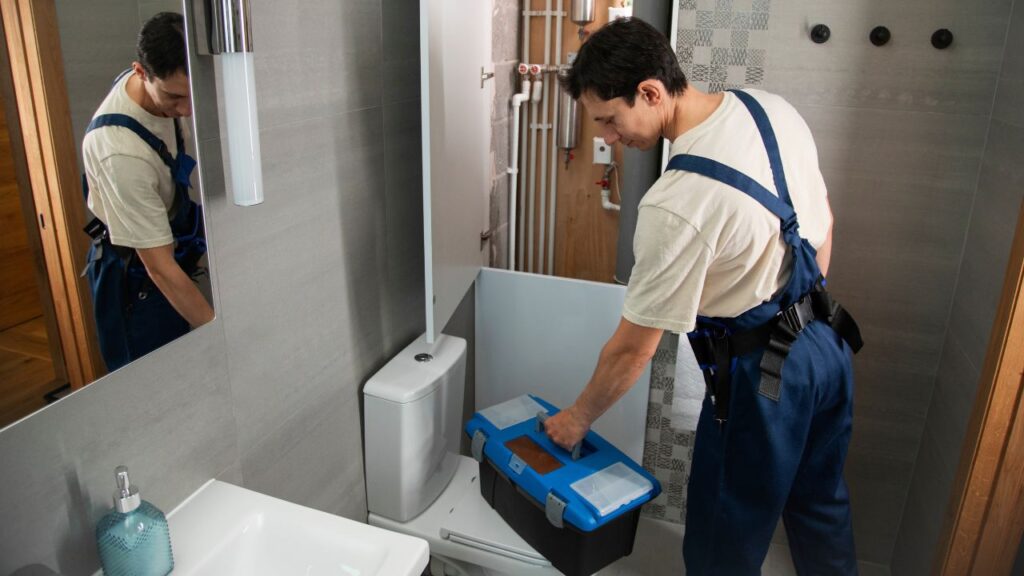
Professional installation ensures proper slope, secure drain connections, and effective moisture barriers. Cutting corners during installation to save money often leads to expensive repairs that would have been avoided with proper installation.
American Bath and Shower specializes in efficient shower installations that integrate quality materials with expert craftsmanship. Their approach minimizes installation time while maximizing long-term performance.
FAQs
Can I install a shower pan myself to save money?
Prefabricated pans are technically DIY-friendly, but proper waterproofing requires knowledge and experience that most homeowners lack. Professional installation typically costs $500 to $1,500, depending on complexity, and provides warranty protection that self-installation does not.
How do I know if my shower pan is failing?
Common signs include persistent musty odors, water stains on ceilings below the bathroom, loose or cracked tiles, grout that crumbles easily, and soft spots in the floor near the shower. Any of these symptoms warrants immediate professional evaluation.
What is the difference between a shower pan and a shower base?
The terms are used interchangeably. Both refer to the waterproof floor component of your shower. Some people use “pan” for the waterproofing layer beneath tile and “base” for prefabricated units, but this distinction is not universal.
Do all shower pans require a mortar bed?
Prefabricated pans (acrylic, fiberglass, solid surface, cast iron) do not require mortar beds. They install directly over the subfloor with appropriate waterproofing. Custom tile pans traditionally use mortar beds to create the required slope and support the tile.
How long should I expect my shower pan to last?
Fiberglass pans typically last 10 to 15 years. Acrylic lasts 15 to 25 years. Solid-surface and properly installed tile can last for more than 30 years. Cast iron often outlasts the home itself. These ranges assume proper installation and reasonable maintenance.
Can I change my shower pan without replacing the walls?
Sometimes, but it depends on your current shower configuration and the condition of the surrounding materials. Skilled contractors can sometimes replace pans while preserving wall tile or panels, but full replacement is often more practical and cost-effective.
Conclusion
Choosing the right shower pan material requires balancing initial cost against long-term value, weighing installation complexity against timeline needs, and matching material characteristics to your specific household requirements.
For most residential remodels, acrylic and solid-surface pans offer the best combination of durability, ease of maintenance, and installation efficiency. Fiberglass serves budget-conscious projects where longevity is less critical. Tile provides unmatched customization for those willing to invest in ongoing maintenance. Cast iron suits traditional aesthetics and durability-focused renovations.
The material you select forms the foundation of your shower’s performance for years or decades to come. Choose wisely based on your actual needs rather than price alone, and ensure professional installation regardless of which option you select.If you want expert guidance on which shower pan material makes sense for your bathroom remodel, contact American Bath and Shower for a free consultation. Their team can assess your space, discuss your priorities, and recommend solutions that deliver lasting value.